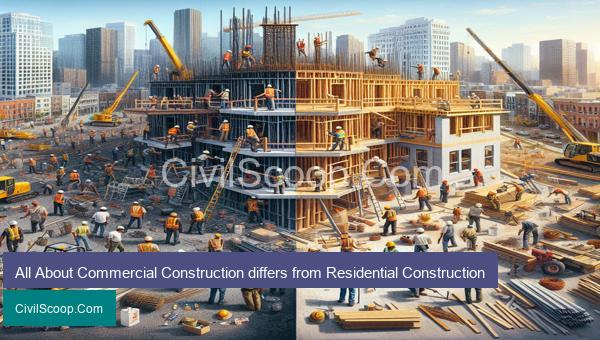
Commercial construction and residential construction may seem similar, as both involve building structures for people to live or work in. However, there are important differences between the two, from the planning and design process to the materials and techniques used. In this article, we will delve into the intricacies of commercial construction and how it differs from residential construction. We will explore the various aspects that set these two types of construction apart, and why it is important for contractors and clients to understand these differences. Whether you are a developer, a construction professional, or simply curious about the world of building, this article will provide valuable insights into the unique world of commercial construction.
Table of Contents
All You Commercial Construction differs from Residential Construction
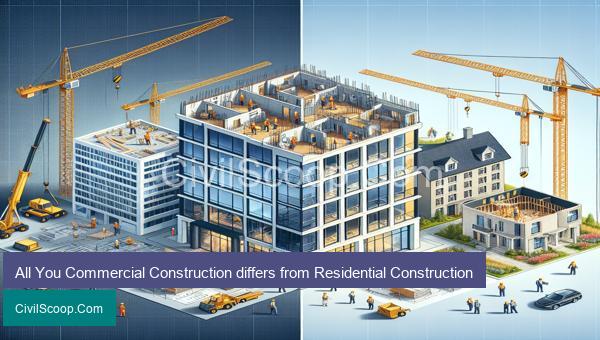
Commercial construction and residential construction are two distinct areas of civil engineering that involve the design, planning, and construction of buildings. While they share some similarities, there are also significant differences between the two.
Commercial construction refers to the construction of buildings and structures that are used for business or commercial purposes. This includes office buildings, shopping centers, hotels, restaurants, and other commercial facilities. On the other hand, residential construction involves the building of homes, apartments, and other living spaces.
One of the major differences between commercial and residential construction is the purpose of the building. Commercial buildings are designed and constructed to generate profit or serve a specific commercial purpose, while residential buildings are primarily meant for living and provide a comfortable and safe space for individuals and families. This difference in purpose impacts the design, materials used, and construction methods employed for each type of building.
Commercial construction projects tend to be more complex and require a higher level of expertise and experience. This is because commercial buildings are typically larger and often require specialized features and systems such as elevators, fire protection systems, and HVAC systems. The construction of these features and systems must adhere to strict safety codes and regulations. Additionally, commercial buildings may also require a specific layout to cater to the needs of the business they will house. This requires detailed coordination and planning between the civil engineer, architects, and construction teams.
In contrast, residential construction projects are generally smaller in scale and less complex compared to commercial projects. They often follow standard building codes and regulations, making them more straightforward to design and construct. However, while residential buildings may not require specialized systems or features, they do have unique considerations such as energy efficiency, aesthetics, and functionality, which must be taken into account during the design and construction process.
Another significant difference between commercial and residential construction is the materials used. Commercial buildings are typically built with more robust and durable materials such as steel, concrete, and iron, to withstand heavy foot traffic and the stress of frequent use. On the other hand, residential construction projects use materials that provide comfort and aesthetic appeal such as wood, brick, and stone.
Lastly, commercial construction projects often have a higher budget and longer construction time compared to residential projects. This is due to the complexities involved in design, the use of specialized materials and systems, and the need for meeting specific business requirements. Residential projects, on the other hand, tend to have a more standard budget and shorter construction time, as they are built for personal use rather than profit.
In conclusion, while both commercial and residential construction projects fall under the field of civil engineering, they differ significantly in terms of purpose, complexity, materials used, and budget. Civil engineers must have a thorough understanding of these differences to successfully plan, design, and construct buildings that meet the needs and requirements of their intended purpose.
How Commercial Construction differs from Residential Construction?
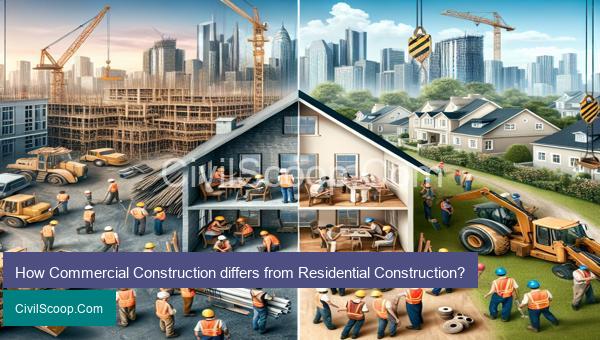
Commercial construction and residential construction are two different types of construction processes that involve the design, planning, and construction of buildings. While they share certain similarities, there are also significant differences between the two. As a civil engineer, I have experience working on both commercial and residential construction projects, and I can highlight some of the key differences between them.
1. Purpose of Construction:
The main difference between commercial and residential construction lies in their purpose. Commercial construction is focused on building structures for business or commercial use, such as offices, retail stores, warehouses, and factories. On the other hand, residential construction is aimed at constructing homes, apartments, and other living spaces for individuals and families to reside in.
2. Building Codes and Regulations:
Commercial and residential construction projects are subject to different building codes and regulations. The codes and regulations for commercial construction are more strict and complex compared to residential construction. This is because commercial buildings are used for a variety of purposes and need to meet certain safety and accessibility standards for the general public.
3. Design and Architecture:
The design and architecture of a commercial building are usually more complex and require specialized skills and expertise. Commercial buildings need to be designed for commercial functions such as retail, manufacturing, or office space, which often involve specialized equipment, systems, and safety features. Residential buildings, on the other hand, are designed for living purposes and focus more on comfortable and functional spaces for the inhabitants.
4. Construction Materials:
The construction materials used in commercial construction are often more durable and expensive compared to residential projects. Commercial buildings need to withstand heavy usage, higher traffic, and natural elements, so they require stronger materials such as steel, concrete, and glass. In contrast, residential buildings can use more affordable and lighter materials, such as wood, bricks, and vinyl.
5. Project Size and Timeline:
Commercial construction projects are generally larger and more complex than residential projects, both in terms of size and timeline. Commercial buildings can be multi-story structures that cover a larger area, requiring more time and resources for completion. Residential projects are usually smaller and can be completed within a shorter time frame.
6. Construction Process:
The construction process for commercial and residential buildings also differs significantly. Commercial construction often involves several stages and a team of professionals, including architects, engineers, and contractors. The process can be divided into design, permitting, pre-construction, construction, and post-construction phases. In contrast, residential construction usually involves a single contractor who handles all stages of the project, from design to construction and completion.
7. Project Cost:
Due to the complexity, size, and materials used, commercial construction is generally more expensive than residential construction. Commercial projects require specialized equipment, skilled labor, and more significant investments, making them costlier than residential projects.
In conclusion, commercial and residential construction may have some similarities, but they are fundamentally different processes. As a civil engineer, I understand the various aspects that set them apart, and it is crucial to consider these differences when working on either type of project.
1. Use of Construction from Residential Construction
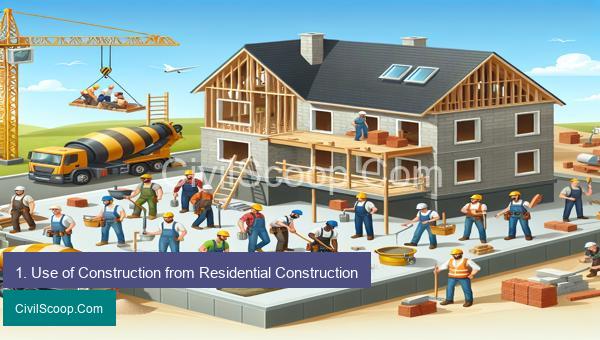
The construction of residential buildings is an essential part of civil engineering. It involves the design, planning, and execution of various structures that provide housing for individuals and families. Residential construction follows a set of standards and regulations set by local authorities to ensure the safety, durability, and functionality of the built environment.
There are various types of construction methods used in residential construction, each serving specific purposes and meeting different needs. From traditional brick and mortar to modern prefabricated structures, civil engineers carefully select the appropriate method based on factors such as location, budget, and type of building.
One of the key uses of construction in residential construction is the creation of a strong and stable foundation. This is crucial for the structural stability and longevity of the building. Engineers carefully analyze the soil composition and topography of the site to determine the most suitable foundation type, which could be either shallow or deep depending on the site conditions.
In addition to the foundation, construction is also used in the framing of residential buildings. This involves assembling the skeletal structure of the building using materials such as steel, wood, or concrete. The framework is designed to support the weight of the building and distribute it evenly to the foundation. The framing process requires precise calculations and careful assembly to ensure the building’s structural integrity.
Another essential aspect of residential construction is the installation of utilities such as plumbing, electrical, and HVAC (heating, ventilation, and air conditioning) systems. These systems are necessary for the functionality and comfort of a residential building. Civil engineers work closely with other professionals to ensure that these systems are installed correctly and meet all safety codes and regulations.
Construction also plays a significant role in the finishing of residential buildings. Finishing includes tasks such as insulation, roofing, flooring, and exterior cladding. These elements not only provide the aesthetic appeal of a building but also contribute to its energy efficiency, durability, and protection against external elements.
In recent years, there has been a trend towards sustainable and eco-friendly construction practices in residential construction. Civil engineers use sustainable materials, green building techniques, and energy-efficient designs to minimize the environmental impact of residential construction projects.
In conclusion, the use of construction is essential in all aspects of residential construction, from foundation to finishing. Civil engineers play a vital role in ensuring that the built environment is safe, durable, and functional for the occupants. As the population continues to grow, the demand for sustainable and innovative construction methods will only increase, making the role of civil engineers more crucial than ever in residential construction.
2. Functionality of Construction from Residential Construction
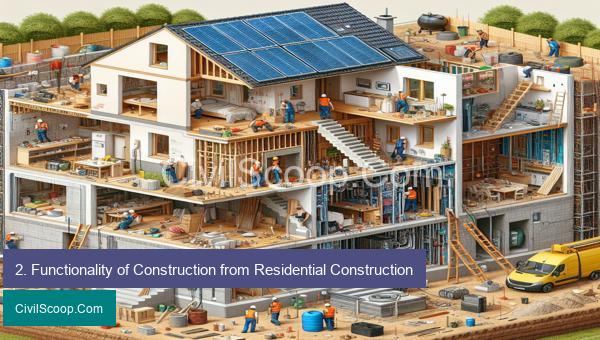
Residential construction is the process of building homes and other dwellings for people to live in. This type of construction is crucial, as it provides shelter and a place for people to call home. As a civil engineer, it is important to understand the functionality of residential construction and how it contributes to the overall functionality of a building. In this article, we will discuss the various aspects of residential construction and its functionality.
1. Structural Stability:
One of the most important functions of residential construction is to provide structural stability to the building. Structural stability refers to the ability of a building to resist external forces such as wind, earthquakes, and snow loads. As a civil engineer, it is crucial to design and construct a residential building that can withstand these forces and provide a safe and secure living space for its occupants.
2. Comfort and Livability:
Residential construction also aims to provide comfort and livability to its occupants. This includes factors such as proper ventilation, insulation, lighting, and noise control. These elements are essential for a healthy and comfortable living environment. As a civil engineer, it is important to consider these factors during the construction process to ensure the well-being of the occupants.
3. Functionality and Efficiency:
A well-designed residential building should also be functional and efficient. This means that it should be designed to fulfill the needs of its occupants while using space, materials, and resources efficiently. This includes efficient placement of rooms, adequate storage space, and proper utilization of natural light and ventilation. As a civil engineer, it is important to carefully plan and design the residential building to maximize its functionality and efficiency.
4. Safety and Accessibility:
Safety and accessibility are crucial aspects of residential construction. The building should be designed to meet safety codes and standards to protect the occupants from any potential hazards. This includes fire safety, use of non-toxic materials, and proper placement of utilities. Additionally, the building should also be designed to be accessible for people with disabilities, with features such as ramps, elevators, and wider doorways. As a civil engineer, it is important to consider these factors to ensure the safety and accessibility of the building for all occupants.
5. Durability and Longevity:
Another important aspect of residential construction is durability and longevity. A residential building should be designed and constructed to withstand the test of time. This includes using high-quality materials and proper construction techniques to ensure the building’s longevity. A well-built residential building can withstand various weather conditions and last for many years without major repairs or renovations.
In conclusion, residential construction plays a vital role in providing safe, comfortable, and functional homes for people to live in. As a civil engineer, it is important to understand the functionality of residential construction and incorporate these elements in the design and construction process. By considering factors such as structural stability, comfort, functionality, safety, and durability, we can ensure that residential buildings not only provide shelter but also contribute to the well-being and quality of life of its occupants.
3. Materials Used for Construction
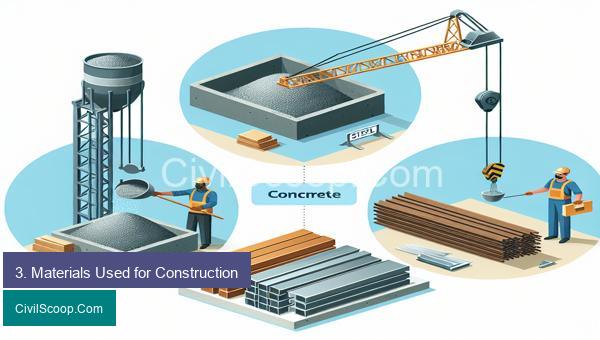
Construction materials play a crucial role in the development of any structure. They are the building blocks of any construction project and have a significant impact on its strength, durability, and overall cost. As a civil engineer, it is essential to understand the different types of materials used in construction and their properties to ensure the safety and stability of the structure. In this article, we will discuss three commonly used materials in construction – concrete, steel, and wood.
1. Concrete
Concrete is the most widely used material in construction due to its versatility, strength, and durability. It is a composite material made of cement, water, aggregates such as sand and gravel, and admixtures (optional). The proportions of these components can be adjusted to achieve specific properties and meet the requirements of the project.
One of the main advantages of concrete is its compressive strength, making it suitable for supporting heavy loads. It is also resistant to fire, water, and weathering, making it ideal for structures that require long-term durability. Concrete can be molded into various shapes and sizes, providing flexibility to architects and engineers in creating unique designs.
However, concrete has some limitations, such as low tensile strength and susceptibility to cracking. To overcome these weaknesses, reinforcement materials such as steel bars are often used in combination with concrete to increase its tensile strength and prevent cracking.
2. Steel
Steel is another commonly used material in construction, particularly in high-rise buildings and large structures. It is an alloy of iron and carbon, with other elements such as manganese, nickel, and chromium also added to enhance its properties. The strength and versatility of steel make it a preferred choice for a wide range of construction applications.
One of the significant advantages of steel is its high strength-to-weight ratio, making it possible to build structures that can withstand heavy loads without being too bulky. It is also durable and resistant to fire, corrosion, and pests, making it a cost-effective choice in the long run.
However, steel is vulnerable to corrosion if not properly protected, and it can be challenging to work with due to its heavy weight. Thus, corrosion protection measures and the use of cranes and heavy equipment are necessary when using steel in construction.
3. Wood
Wood has been used in construction for centuries, and it is still a widely used material today. It is a natural, renewable, and sustainable material, making it an environmentally friendly choice. It is also lightweight, easy to work with, and has excellent insulating properties, making it suitable for various construction purposes.
Wood is a versatile material that can be used in both structural and non-structural elements of a building. It can also be treated to enhance its durability and resistance to fire, water, and pests. Moreover, it is a cost-effective option compared to other building materials.
However, wood has low compressive strength and is susceptible to rotting, warping, and termite infestation. It also requires regular maintenance to preserve its structural integrity. To overcome these challenges, various engineered wood products, such as plywood and laminated veneer lumber, have been developed, which offer improved strength and durability.
In conclusion, as a civil engineer, it is crucial to understand the properties, advantages, and limitations of different construction materials to ensure their proper selection and use in a project. Other commonly used materials in construction include bricks, glass, and plastics, each with its unique properties and applications. By utilizing the right materials, engineers can design and construct safe, durable,
4. Equipment selected for construction
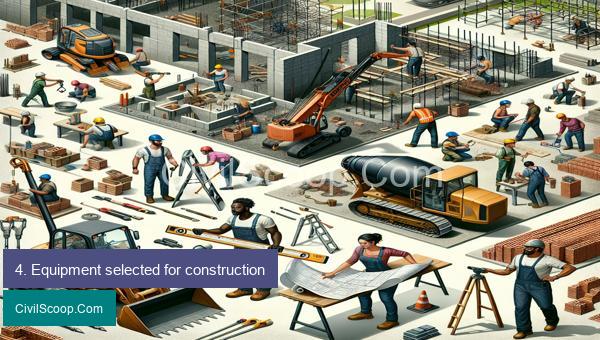
In the field of civil engineering, equipment plays a crucial role in the construction process. Choosing the right equipment is essential for the successful completion of a project within the allocated time and budget. The selection of suitable equipment depends on various factors such as the type of project, site conditions, project requirements, and budget constraints. In this article, we will discuss four important equipment commonly selected for construction projects.
1. Excavators: Excavators are versatile and powerful machines used for digging, leveling, and moving earth. They come in various sizes and are equipped with different attachments such as buckets, blades, and breakers, making them suitable for a wide range of construction tasks. Excavators are commonly used for site preparation, trenching, digging foundations, and backfilling. The main advantage of using excavators is their high productivity and efficiency, which helps in completing the project on time.
2. Cranes: Cranes are one of the most important and widely used equipment in construction. They are used for lifting and moving heavy objects from one place to another. Depending on the project requirements, cranes come in various sizes and types such as tower cranes, mobile cranes, and crawler cranes. They are commonly used for vertical construction, such as constructing buildings, bridges, and other structures. Cranes are essential for their ability to hoist and transport materials to different levels, making the construction process more manageable.
3. Bulldozers: Bulldozers are heavy-duty construction machines used for pushing and leveling soil, stones, and debris. They are equipped with a wide metal blade attached to the front and are capable of operating on rough terrains. Bulldozers are used for site preparation, road construction, and land clearing. With their powerful engines and sturdy tracks, they can easily handle tough and uneven ground conditions.
4. Concrete Mixers: Concrete mixers are essential equipment for any construction project involving concrete. They are used for mixing cement, water, and aggregates to produce concrete of desired consistency. Concrete mixers are available in various sizes and can be either stationary or portable. They are commonly used in building structures, roads, and other concrete-based construction. The use of concrete mixers ensures a consistent and high-quality production of concrete, reducing construction time and labor costs.
In conclusion, the selection of equipment is a crucial step in the construction process. Civil engineers must carefully consider factors such as project requirements, site conditions, and budget constraints while choosing the most suitable equipment. Excavators, cranes, bulldozers, and concrete mixers are some of the essential equipment commonly selected for construction projects. Their efficient and effective use not only helps in completing the project successfully but also ensures safety and cost-effectiveness. As technology continues to advance, the availability of more sophisticated and specialized equipment will further improve the construction process.
5. Codes & Permits for Construction
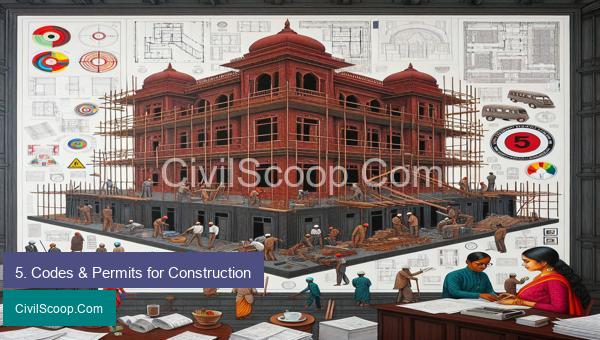
Codes and permits are essential components of the construction industry. They ensure that buildings and structures are constructed in a safe, efficient, and environmentally responsible manner. These codes and permits are enforced by governing bodies at the local, state, and national levels to protect the public and regulate the construction process. As a civil engineer, it is important to understand the various codes and permits that apply to construction projects.
1. Building Codes
Building codes are the most important set of regulations in construction. They are designed to ensure the safety of the building’s occupants and its structural integrity. These codes specify the minimum requirements for design, construction, and materials used in buildings. Building codes cover a wide range of areas, such as fire safety, electrical systems, plumbing, and accessibility. These codes are continuously updated to reflect advancements in technology and industry best practices.
2. Zoning Regulations
Zoning regulations dictate the permitted use of land within a jurisdiction and are established by local governments. As a civil engineer, it is important to understand the zoning regulations of the area you are working in to ensure that your project complies with them. These regulations control the height, size, and location of buildings, as well as the surrounding landscape and infrastructure.
3. Environmental Permits
Construction projects can have a significant impact on the environment. Environmental permits are required to ensure compliance with federal, state, and local environmental regulations. These permits may include wetland permits, stormwater management permits, and air pollution control permits. As a civil engineer, it is your responsibility to identify any potential environmental impacts of your project and obtain necessary permits to mitigate them.
4. Occupational Safety and Health Administration (OSHA) Permits
Construction work is considered one of the most dangerous occupations, and it is the responsibility of everyone involved to ensure a safe working environment. OSHA is the governing body responsible for enforcing regulations regarding workplace safety and health. As a civil engineer, it is important to comply with OSHA regulations and obtain necessary permits for construction projects to prevent accidents and injuries on the job site.
5. Special Building Permits
Depending on the type of construction project, special building permits may be required. These permits may include demolition permits, building permits for historic structures, or permits for structures located in a flood zone. As a civil engineer, it is crucial to understand the specific requirements for these special permits and ensure they are obtained before construction begins.
In conclusion, codes and permits are essential to a safe and successful construction project. As a civil engineer, it is important to stay up to date with the latest codes and regulations and ensure compliance to avoid delays and potential safety hazards. By working closely with governing bodies and obtaining necessary permits, you can ensure that your construction project meets all the necessary standards and regulations.
6. Construction Project Deadlines
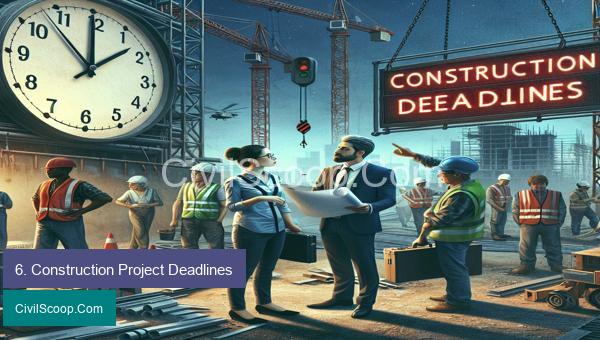
Construction project deadlines are crucial in the field of civil engineering as they dictate the overall success of a project. These deadlines serve as a timeline to guide the construction process and ensure that the project is completed within a specific timeframe. Here are six important things to know about construction project deadlines.
1. Set realistic deadlines: The first step in meeting construction project deadlines is to set realistic ones. These deadlines should be achievable but also challenging enough to keep the project team motivated. Unrealistic deadlines can lead to project delays and added costs, so it’s essential to carefully consider all factors that may affect the timeline.
2. Prepare a project schedule: An effective project schedule is a crucial tool in meeting project deadlines. It details the tasks and milestones required to complete the project and assigns a time frame for each. The schedule should be regularly updated to reflect any changes or delays in the project.
3. Consider all factors: When setting project deadlines, it’s essential to consider all factors that may impact the timeline. These include weather conditions, availability of materials and resources, and any potential risks or delays that may occur. Project managers must have contingency plans in place to address any unforeseen events that may affect the timeline.
4. Communication is key: Communication is vital throughout the construction process, but it becomes even more critical when it comes to meeting project deadlines. Open communication between project managers, contractors, and stakeholders ensures that everyone is aware of the project’s progress and any issues that may arise. It also allows for timely problem-solving and helps keep the project on track.
5. Monitor progress: Regularly monitoring the project’s progress is crucial to ensure that it stays on track with the set deadlines. Progress reports should be regularly updated and shared with the project team and stakeholders. Any potential delays should be addressed immediately to prevent further setbacks.
6. Devise a plan for missed deadlines: Despite careful planning, sometimes project deadlines may be missed. In such cases, it’s essential to have a plan in place to mitigate the impact. This may include adjusting the project schedule, increasing resources, or reallocating tasks to ensure that the project stays on track.
In conclusion, construction project deadlines play a vital role in the success of a project. Planning, communication, and monitoring are crucial in meeting these deadlines and ensuring that the project is completed within the set timeframe. By following these guidelines, construction projects can be completed on time and within budget, ultimately leading to a successful outcome for all stakeholders involved.
7. Construction Work Pace
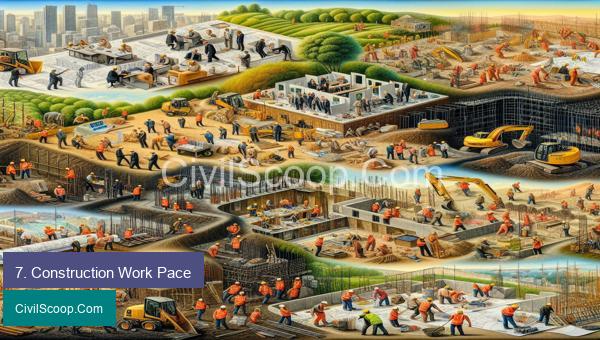
Construction work pace refers to the speed and efficiency at which construction projects are completed. It is an essential aspect of the construction industry as it affects the overall project timeline, budget, and quality. A well-managed construction work pace can lead to successful project outcomes, while a slow or disorganized pace can result in delays, cost overruns, and subpar results.
Here are 7 factors that influence construction work pace:
1. Proper planning and scheduling: A well-planned and organized construction schedule is crucial for maintaining a steady work pace. It ensures that all tasks are completed in a logical sequence and that workers are aware of their responsibilities and deadlines. This helps to avoid delays and keeps the project on track.
2. Availability of resources: Adequate availability of resources such as materials, equipment, and labor is necessary to maintain a steady construction work pace. Delays in receiving materials or equipment can slow down the progress of the project, while a shortage of skilled labor can result in subpar workmanship.
3. Weather conditions: Adverse weather conditions can significantly impact construction work pace. Rain, heavy snow, or extreme heat can cause delays and disrupt the construction schedule. Proper planning, such as scheduling critical tasks during favorable weather conditions, can help to minimize the impact of weather on the work pace.
4. Experience and skill level of workers: Experienced and skilled workers are essential for maintaining a consistent work pace. They can complete tasks efficiently and effectively, minimizing the chances of delays or rework. In contrast, inexperienced or unskilled workers may require more time and resources to complete tasks, which can slow down the work pace.
5. Quality of project management: Effective project management is crucial for maintaining a smooth work pace. It involves overseeing all aspects of the project, including planning, scheduling, budgeting, and coordinating with different stakeholders. A well-managed project ensures that all tasks are completed on time and to the required standards.
6. Communication and teamwork: Good communication and teamwork among workers are essential for maintaining a steady work pace. It allows workers to coordinate and collaborate effectively, which can help to avoid delays and ensure that tasks are completed efficiently.
7. Use of technology: Advancements in construction technology have greatly improved work pace in recent years. Automation, drones, and other digital tools can help to streamline processes, reduce errors, and speed up tasks, ultimately leading to a faster work pace.
In conclusion, construction work pace is a critical aspect of the construction industry that can greatly impact project outcomes. By considering factors such as proper planning, resource availability, weather conditions, worker experience, project management, communication, and technology, construction companies can effectively manage the work pace and ensure the successful completion of projects within timelines and budget.
8. Funding in Construction
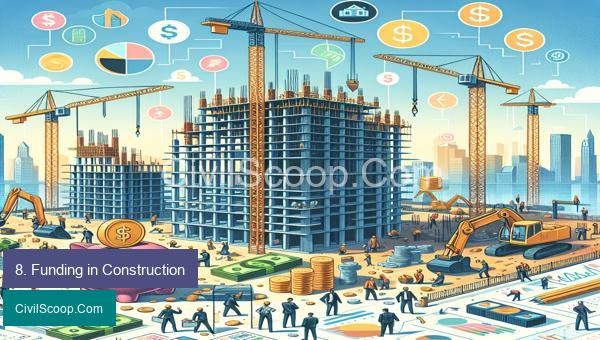
Funding plays a crucial role in the construction industry. It is the backbone of any construction project and determines its success or failure. Construction projects require a significant amount of investment, and without adequate funding, they cannot be completed. As a civil engineer, it is important to understand the various sources of funding in construction and how they impact the overall project.
1. Private Funding:
Private funding is the most common type of funding in construction. It involves financing from private individuals or entities such as banks, real estate investors, and venture capitalists. Private funding is usually obtained through loans, equity investments, or a combination of both. This type of funding is preferred by developers as it offers them more control over the project and its timeline.
2. Public Funding:
Public funding refers to the financial support provided by the government for construction projects. It can be in the form of grants, subsidies, or loans. The government may also initiate public-private partnerships (PPP) where a private entity is responsible for funding and managing the construction project. Public funding is often used for projects of public interest, such as infrastructure development.
3. Real Estate Investment Trusts (REITs):
REITs are a popular source of funding in the construction industry. These are companies that own income-generating real estate assets, such as rental properties, and distribute the profits to shareholders. REITs provide an avenue for small investors to participate in large construction projects and earn a return on their investment.
4. Angel Investors:
Angel investors are high net worth individuals who provide funding for start-up construction companies. They are often willing to take on more risks than traditional lenders and can provide not only financial assistance but also valuable expertise and contacts in the industry.
5. Crowdfunding:
Crowdfunding is a new concept in the construction industry, but it is gaining popularity. It involves raising small amounts of money from a large number of people through online platforms. Construction projects that are unique or have a social impact are particularly well-suited for crowdfunding.
6. Joint Ventures:
Joint ventures involve two or more parties pooling their resources and expertise to execute a construction project. These parties may be private companies, government agencies, or a combination of both. Joint ventures are often used for large and complex projects that require a diverse set of skills and resources.
7. Supplier Financing:
Suppliers often provide financing to construction companies in the form of trade credit. This allows construction companies to procure materials and equipment on credit and pay for them at a later date. Supplier financing can help construction companies manage their cash flow and free up funds for other aspects of the project.
8. Green Bonds:
Green bonds are a form of sustainable financing used in the construction industry. These are issued by companies or organizations to fund projects that have environmental benefits, such as green buildings. Green bonds are becoming increasingly popular as they appeal to socially responsible investors and offer a lower cost of capital for construction projects.
In conclusion, funding is the lifeblood of the construction industry. Without proper funding, construction projects cannot be initiated or completed. As a civil engineer, it is essential to understand the various sources of funding and their implications for the success of a project. Effective management of funding is crucial for achieving project objectives and delivering high-quality infrastructure.
Conclusion
In conclusion, commercial construction and residential construction are two distinct types of construction that require unique approaches and considerations. While residential construction focuses on creating individual dwellings for families or individuals, commercial construction focuses on creating spaces for businesses, organizations, and institutions. The differences between these two types of construction span across various aspects such as design, materials, techniques, and regulations. It is important for contractors and clients to understand these differences in order to successfully plan and execute their construction projects. With the increasing demand for both residential and commercial buildings, it is vital to recognize and appreciate the distinct needs and requirements of each type of construction to ensure safe, efficient, and successful projects.