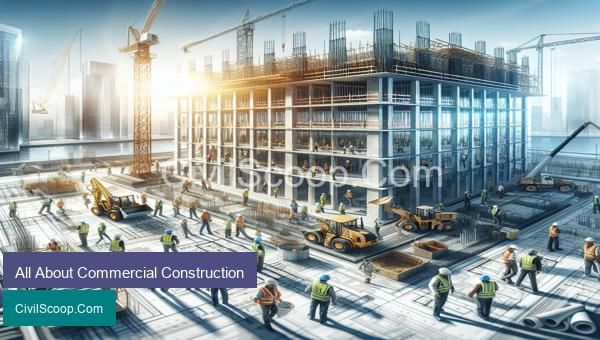
Commercial construction is a rapidly growing industry that plays a vital role in shaping our cities and towns. From skyscrapers to shopping malls, commercial construction encompasses a wide range of projects that serve the needs of businesses and communities alike. As urbanization and economic development continue to drive the demand for commercial buildings, it is crucial to understand the intricacies of this complex industry. In this article, we will delve into the world of commercial construction, exploring its history, current trends, and the key players involved in bringing these projects to life. Whether you are a business owner, developer, or simply curious about the workings of commercial construction, this article will provide you with a comprehensive overview of all its aspects.
Table of Contents
Types of Construction
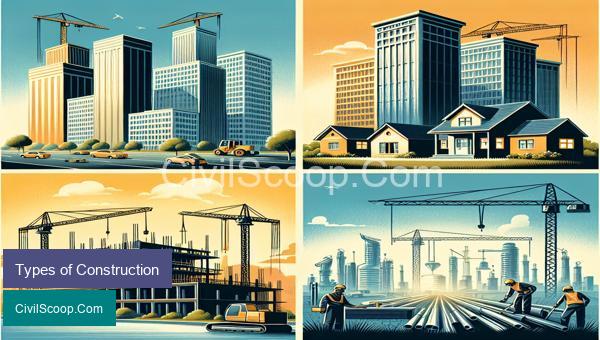
Construction is the process of building or assembling structures, infrastructure, and buildings. It involves planning, designing, and executing various activities to create a physical entity. Construction can vary greatly, depending on the type of structure and the materials used. In this article, we will discuss the different types of construction.
1. Residential Construction
Residential construction is building homes, apartment complexes, and other living spaces. It includes single-family homes, multi-family units, townhouses, and condominiums. The methods used in residential construction vary from traditional stick-built homes to prefabricated structures. Typically, residential construction involves site preparation, foundation construction, framing, installation of utilities, interior and exterior finish work, and landscaping.
2. Commercial Construction
Commercial construction involves the building of structures intended for business activities, such as offices, malls, hotels, and shopping centers. These structures are usually larger and more complex than residential buildings. They require specialized equipment, materials, and techniques. Commercial construction also involves extensive planning and coordination with various professionals, such as architects, engineers, and contractors.
3. Industrial Construction
Industrial construction focuses on building large-scale structures for manufacturing or production purposes. This type of construction includes factories, warehouses, power plants, and refineries. These structures require specialized equipment and materials to withstand heavy machinery and equipment, as well as strict safety measures to protect workers.
4. Institutional Construction
Institutional construction includes the building of structures used for public or community purposes, such as schools, hospitals, government buildings, and religious facilities. These projects often require unique designs to meet the specific needs and regulations of the institution, as well as incorporating sustainability and accessibility features.
5. Infrastructure Construction
Infrastructure construction involves the building of essential facilities that support a community, such as roads, bridges, airports, and utilities. These types of projects are typically funded by the government and require extensive planning and coordination to ensure the safety and efficiency of the structures.
6. Heavy Civil Construction
Heavy civil construction focuses on building large, complex structures such as dams, tunnels, and railroads. These projects require specialized equipment and techniques to withstand extreme weather conditions and heavy loads.
7. Military Construction
Military construction involves the building of structures for military use, such as army bases, training facilities, and barracks. These buildings need to be highly durable and secure to protect military personnel and equipment.
8. Environmental Construction
Environmental construction focuses on creating structures that have a minimal impact on the environment, such as green buildings, wastewater treatment plants, and renewable energy facilities. These projects require specialized techniques and materials to reduce energy consumption and decrease environmental footprint.
In conclusion, construction is a broad industry that encompasses various types of projects. Whether it is building homes, commercial structures, or infrastructure, each type of construction requires careful planning, skilled professionals, and the use of specialized techniques and materials to achieve a successful and safe outcome.
How to Attract?

Attracting someone can be both a thrilling and nerve-wracking experience. Whether you are looking to attract a potential partner or simply wanting to make new friends, there are a few key elements that can help you in the process. As a civil engineer, I have learned the importance of planning and strategizing in order to achieve desired outcomes. Here are some tips on how to attract someone in a genuine and effective manner.
1. Be Yourself: The first and most important step in attracting someone is to be yourself. Trying to be someone you are not will only lead to disappointment in the long run. Embrace your unique qualities and let your true self shine. People are more attracted to those who are genuine and comfortable in their own skin.
2. Build Confidence: Confidence is key when it comes to attracting someone. It shows that you are comfortable and secure in yourself, making you more attractive to others. Find ways to build your confidence, whether through self-affirmation, working on your talents, or taking up a new hobby. Doing things that make you happy and proud of yourself will help boost your confidence.
3. Dress to Impress: While it is important to be yourself, it is also essential to make a good first impression. Dressing nicely and taking care of your appearance can make you feel more confident and attractive. Plus, it shows that you have taken the effort to make yourself presentable, which can be very appealing to others.
4. Be Approachable: People are drawn to those who are friendly and approachable. Smile, make eye contact, and engage in small talk to show that you are open to meeting new people. However, be mindful not to come across as too eager or fake, as this can be a turn-off. Be genuine and show that you are interested in getting to know the person.
5. Listen and Communicate: Good communication is the foundation of any successful relationship. When trying to attract someone, it is essential to listen to what they have to say and respond accordingly. Be interested in what they have to say and ask questions to show that you care. Communication is a two-way street, so be sure to share your thoughts and feelings as well.
6. Show Interest in Common Interests: Finding common interests is a great way to bond with someone and create a connection. Show a genuine interest in the things they like and try to participate in activities that you both enjoy. This will not only help you get to know the person better but also create a shared experience that can bring you closer.
7. Be Positive: No one wants to be around someone who is constantly negative and pessimistic. A positive and optimistic attitude is a big attraction factor for many people. Focus on the good things in life and try to spread positivity wherever you go. This will not only make you more attractive but also make you a joy to be around.
In conclusion, attracting someone is all about being confident, genuine, and approachable. It’s important to be yourself and show a genuine interest in others. Remember that attraction is a two-way street, and it’s okay if things don’t work out with someone. Keep an open mind and continue to be yourself, and you will eventually attract the right person into your life.
The Complete Process of Commercial Construction
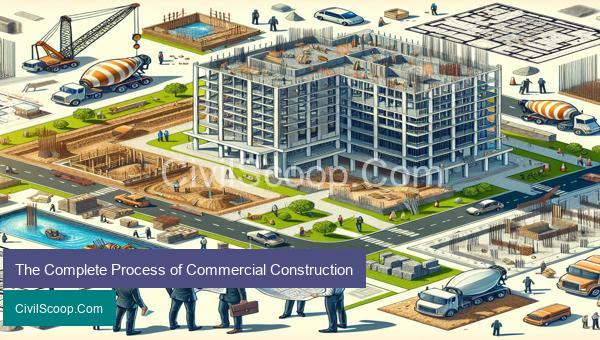
Commercial construction refers to the process of building structures for business or commercial purposes. This can range from small retail shops to large skyscrapers and everything in between. The process of commercial construction is complex and involves several stages, each of which plays a crucial role in ensuring a successful and timely completion of the project. In this article, we will discuss the complete process of commercial construction:
1. Planning and design:
The first step in the commercial construction process is planning and design. This involves working with the client to understand their needs and requirements for the project. The design phase includes creating blueprints and drawings that outline the layout, size, and structure of the building. Architects, engineers, and other professionals work together to come up with a comprehensive plan that meets the client’s vision and complies with building codes and regulations.
2. Site preparation:
Once the design is finalized, the next step is to prepare the construction site. This includes clearing the land, leveling the ground, and setting up temporary utilities such as electricity and water. The site is also surveyed to determine the exact boundaries and locations of utilities, which will be essential during the construction process.
3. Foundation:
After the site is prepared, the construction team starts working on the foundation. This is the most critical step in the commercial construction process as it will support the entire building. The type of foundation will depend on the type of building and soil conditions. Generally, there are three types of foundations used in commercial construction: basement, crawl space, and slab on grade.
4. Framing:
Once the foundation is completed, the next step is framing, also known as structural work. This involves constructing the framework of the building using steel or wood studs. The framing includes walls, floors, and roofing. This stage determines the basic shape and structure of the building.
5. Exterior work:
After the framing is completed, the exterior work begins. This includes installing windows, doors, roofing, and cladding. The building envelope is an essential part of the commercial construction process as it protects the interior of the building from weather elements and provides insulation.
6. Interior work:
Once the building is enclosed, interior work can begin. This includes installing electrical, plumbing, and HVAC systems. The walls are also insulated, and drywall is installed. This stage also involves the installation of flooring, fixtures, and finishes.
7. Finishing touches:
After the interior work is completed, the finishing touches are added. This includes painting, adding trim, and installing cabinets, counters, and other furnishings. Landscaping work is also done during this stage to enhance the appearance of the building.
8. Final inspection and permits:
Before the building can be occupied, a final inspection is conducted to ensure that everything is up to code and meets the client’s expectations. Once the building is approved, the necessary permits are obtained, and the building can be opened for commercial use.
9. Handover and maintenance:
After the final inspection and permits are obtained, the client is handed over the keys to the building. However, the commercial construction process doesn’t end here. The construction company is responsible for any maintenance work for a specific period, and the client may also choose to have a maintenance contract in place.
In conclusion, commercial construction is a complex process that requires careful planning, coordination, and execution. It involves several stages, each of which is crucial in delivering a successful and functional commercial building. By following these steps, the construction team can ensure that
Conclusion
In conclusion, commercial construction is an essential and complex industry that plays a significant role in shaping our modern cities and infrastructure. From office buildings and retail spaces to hospitals and schools, commercial construction projects require careful planning, skilled labor, and innovative ideas. It is a constantly evolving sector, driven by advancements in technology and sustainability. By understanding the key aspects of commercial construction, such as budgeting, timelines, and building codes, businesses and organizations can ensure successful and efficient projects. With its crucial role in economic growth and development, commercial construction will continue to be a vital component of our society for years to come.