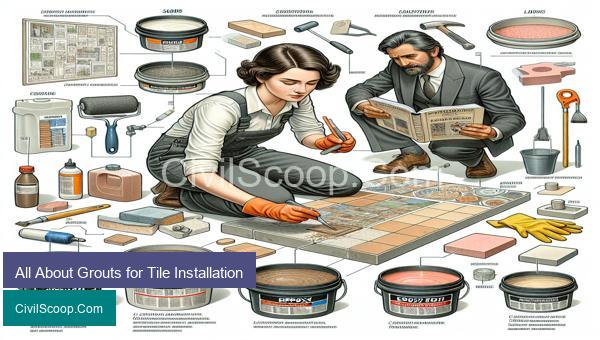
Grout may seem like a small and often overlooked component in tile installation, but it plays a crucial role in not only enhancing the aesthetic appeal of the final product, but also in providing durability and protection. Whether you are a DIY enthusiast or a professional contractor, having a thorough understanding of grouts is essential for ensuring successful tile installation. In this article, we will explore all the aspects of grouts for tile installation, from its different types and uses, to tips for proper application and maintenance. So, if you want to achieve a flawless and long-lasting tile installation, read on to learn all about grouts.
Table of Contents
Types of Grouts for Tile Installation

Grout is a material used in tile installation to fill the gaps between tiles and ensure a stable and durable surface. There are several types of grouts that are commonly used in the construction industry for different tile applications. In this article, we will discuss the different types of grouts for tile installation.
1. Cement-based grout: Cement-based grouts are the most commonly used type of grout for tile installation. They are made up of Portland cement, sand, and water. These grouts are available in sanded and non-sanded varieties, with sanded grout being used for wider tile joints and non-sanded grout for narrower joints. Cement-based grouts are suitable for a wide range of tile materials, including ceramic, porcelain, and natural stone.
2. Epoxy grout: Epoxy grouts are made up of epoxy resin and a hardener. They are highly resistant to stains, chemicals, and moisture, making them ideal for high-traffic areas such as commercial kitchens and bathrooms. Epoxy grout is available in a wide range of colors and is suitable for use with all types of tile materials.
3. Urethane grout: Urethane grouts are a type of hybrid grout that combines the properties of cement-based and epoxy grouts. They are water-resistant, stain-resistant, and flexible, making them suitable for areas that are prone to movements and vibrations. Urethane grout is also available in a variety of colors and is suitable for use with most tile materials.
4. Micro cement grout: Micro cement grout, also known as microtopping, is a type of grout that is very thin and can be applied in a layer as thin as 3mm. It is mostly used in renovation projects to resurface existing tiled surfaces. Micro cement grout is available in a wide range of colors and can be used with all types of tile materials.
5. Pre-mixed grout: Pre-mixed grout comes in a ready-to-use form, eliminating the need for mixing it on-site. It is made up of Portland cement, sand, and additives and is available in sanded and non-sanded varieties. Pre-mixed grout is easy to use and is suitable for all types of tile applications.
6. Non-shrink grout: Non-shrink grout is a specialized type of grout used in situations where there is a need for high structural strength. It is made up of cement, aggregate, and expansive additives that allow it to expand and fill any voids in the tile joints. Non-shrink grout is commonly used in industrial settings, such as for installing heavy machinery and equipment.
In conclusion, the type of grout to be used in tile installation depends on various factors such as the type of tile, location of the installation, and the level of traffic expected. It is important to select the right type of grout for your project to ensure a strong and durable tiled surface. Consulting with a professional before choosing the grout can help in making an informed decision.
1. Cement Grouts for Tile Installation

Cement grouts are commonly used in tile installation as they provide a durable and strong bond between tiles and their substrate. As a civil engineer, it is crucial to have a thorough understanding of cement grouts, their properties, and their application in tile installation.
Cement grouts are a mixture of Portland cement, fine aggregate, and water, with the addition of special additives to improve their flow and workability. They are typically used to fill the gaps between tiles, creating a smooth and level surface. The main purpose of using cement grouts is to prevent movement and shifting of tiles, providing stability and strength to the tiled surface.
There are two types of cement grouts commonly used in tile installation – sanded and unsanded. Sanded grouts have larger particles of sand in their mixture, making them suitable for wider tile joints. On the other hand, unsanded grouts have a smoother texture and are used for narrower joints.
One of the main advantages of cement grouts is their high strength and durability. When cured, they form a hard and dense material that can withstand heavy foot traffic and resist cracking. This makes them suitable for high-traffic areas such as commercial buildings, public spaces, and industrial facilities.
Another significant benefit of cement grouts is their water-resistant properties. This makes them an ideal choice for tile installations in wet areas such as bathrooms, kitchens, and swimming pools. The water-resistance also prevents the growth of mold and mildew, making cement grouts a sanitary option for tile installation.
To ensure optimal performance and longevity of cement grouts, it is essential to follow proper installation methods. The surface to be tiled must be clean, level, and free of dust and debris. A bonding agent or primer should be applied to the surface before applying the grout to improve adhesion. The grout should be mixed according to the manufacturer’s instructions and applied using a grout float, ensuring that all joints are filled completely.
One of the challenges of using cement grouts is the potential for shrinkage during the curing process. This can result in cracks and gaps between the tiles, compromising the stability of the tiled surface. To prevent shrinkage, it is crucial to mix the grout correctly and install it in suitable weather conditions – avoiding extreme temperatures and rapid drying. Curing the grout with a wet cloth or using a sealant can also help reduce shrinkage.
In conclusion, cement grouts are an essential element in tile installation, providing strength, durability, and water-resistance to tiled surfaces. As a civil engineer, it is vital to understand the properties and proper installation techniques of cement grouts to ensure a successful tile installation project.
2. Epoxy Grouts for Tile Installation

Epoxy grout is a type of grout used for tile installation in both residential and commercial projects. It is made from a combination of epoxy resins and a filler material, such as sand, which gives it its strength and durability. Epoxy grout offers several benefits over traditional cement-based grout, making it a popular choice for many civil engineering projects.
1. High Strength and Durability: Epoxy grout is known for its high strength and durability. It can withstand heavy traffic and is resistant to cracking, shrinking, and staining. This makes it an ideal choice for high-traffic areas such as commercial buildings, hotels, and hospitals where the floor is constantly subjected to heavy loads.
2. Chemical and Stain Resistance: Epoxy grout is highly resistant to chemicals, oils, and stains. This makes it a suitable choice for areas like kitchens, bathrooms, and industrial facilities where spills are common. It is also non-porous, which means it does not absorb liquids, making it easier to clean and maintain.
3. Superior Bonding: Epoxy grout has a strong bond with both the tile and the substrate, ensuring that the tiles stay in place for a long time. This is especially beneficial for wall tiles where the adhesive strength is crucial to avoid tiles falling off.
4. Color Consistency: Unlike cement-based grout, epoxy grout is available in a wide range of colors that do not fade or change over time. This makes it easier to match the grout color with the tiles, resulting in a seamless and aesthetically pleasing finish.
5. Easy to Clean: Epoxy grout is low-maintenance and easy to clean. Its non-porous nature prevents dirt and grime from penetrating the surface, making it easier to wipe off. It also does not require sealing like traditional grout, which saves time and effort during maintenance.
6. Suitable for Various Environments: Epoxy grout is suitable for both indoor and outdoor applications. It is resistant to extreme temperatures, making it ideal for outdoor spaces such as patios, pools, and walkways. It is also suitable for areas that are prone to moisture, as it is water-resistant and prevents mold and mildew growth.
7. Cost-Effective: While epoxy grout might be more expensive than traditional grout, it can be a cost-effective option in the long run. Its durability and low maintenance requirements make it a cost-effective choice as it does not require frequent repairs or replacement.
In conclusion, epoxy grout offers several advantages over traditional cement-based grout, making it a popular choice for tile installation in civil engineering projects. Its high strength, chemical and stain resistance, superior bonding, and easy maintenance make it a reliable option for a wide range of applications. When considering tile installation in your next civil engineering project, epoxy grout should be a top consideration.
3. Polymer Tile Grout

Polymer tile grout is a type of grout used in construction and renovation projects to fill the gaps between tiles. It is a versatile material that offers numerous benefits compared to traditional grouts.
1. Flexibility and Durability
One of the key advantages of polymer tile grout is its flexibility. It is made up of a combination of cement, sand, and polymers, which give it a more elastic texture compared to regular cement-based grout. This flexibility allows the grout to expand and contract with the tiles, making it resistant to cracking and breakage. It is especially beneficial in areas where there is high foot traffic or temperature fluctuations, such as commercial buildings and outdoor spaces.
In addition, polymer tile grout is highly durable and can withstand heavy use and exposure to chemicals and water. This makes it an ideal choice for areas that are prone to moisture, such as bathrooms, kitchens, and swimming pools.
2. Improved Aesthetics
With a wide range of color options available, polymer tile grout can enhance the overall appearance of a space. It comes in both sanded and unsanded forms, giving you the choice to use it with different tile sizes and finishes. Its smooth texture also makes it easy to clean and maintain, keeping the tiles and grout lines looking fresh and new for a longer period.
3. Water and Stain Resistance
One of the biggest challenges with traditional grouts is their tendency to absorb water and stains, resulting in discoloration and mold growth. Polymer tile grout is formulated with additives that make it more resistant to water, stains, and mold. This not only makes it easier to clean and maintain but also improves the overall hygiene of the tiled area.
Moreover, polymer tile grout has a lower water absorption rate compared to traditional grouts, making it less susceptible to cracking and damage due to freezing and thawing cycles.
In conclusion, polymer tile grout is a popular choice in the construction industry due to its flexibility, durability, and aesthetic qualities. Its ability to withstand high foot traffic, moisture, and stains make it a reliable and long-lasting option for any tile installation project.
4. Furan Tile Grout

Furan tile grout is a type of construction material that is widely used in civil engineering projects. It is a specialized grouting material that is composed of a resin and a hardener, which when mixed together, form a strong and durable grout. Furan tile grout is commonly used in areas that require high-strength and resistance to chemical and environmental elements, making it a popular choice for civil engineering applications.
Here are four key features of Furan tile grout that make it a preferred choice for civil engineering projects:
1) High Strength: Furan tile grout has excellent compressive strength, which makes it suitable for use in heavy-duty civil engineering structures. It can withstand high loads and provide long-term support and stability to the structures it is used in. This is especially important in infrastructure projects such as bridges, tunnels, and dams where structural integrity is crucial.
2) Chemical and Environmental Resistance: One of the main reasons for using Furan tile grout in civil engineering projects is its resistance to chemicals and harsh environmental conditions. The grout is impervious to a wide range of chemicals, including acids, alkaline solutions, and salts. It is also resistant to water, oil, and other corrosive substances, making it an ideal choice for projects that are exposed to such elements.
3) Durability: Furan tile grout is known for its long-lasting properties. It does not deteriorate or degrade over time, making it a cost-effective option for civil engineering projects. It can withstand extreme temperatures, heavy traffic, and other external factors without losing its strength or integrity. The durability of this grout makes it a popular choice for high-traffic areas such as parking lots, industrial floors, and airport runways.
4) Easy Application: Furan tile grout is relatively easy to apply, making it a preferred choice for civil engineers. It can be mixed and placed quickly, reducing project timelines and labor costs. The grout can also be used in a wide range of temperatures, making it suitable for projects in different climates. Moreover, once cured, Furan tile grout requires minimal maintenance, saving both time and resources.
In conclusion, Furan tile grout is a versatile and effective construction material widely used in civil engineering. Its high strength, chemical and environmental resistance, durability, and ease of application make it a preferred choice for a wide range of projects. Civil engineers can rely on Furan tile grout to provide long-lasting and reliable support to their structures, ensuring safe and sustainable infrastructure for communities around the world.
Conclusion
In conclusion, grouts play a crucial role in tile installation, ensuring both practical and aesthetic benefits. Whether choosing between sanded or unsanded grout, epoxy or acrylic, it is important to understand the properties and uses of each type to achieve a successful and long-lasting tile installation. By following the proper techniques and using high-quality grout products, you can enhance the durability, cleanliness, and appearance of your tile surface. With the information provided in this article, you can confidently choose and apply the right grout for your specific tile installation needs.