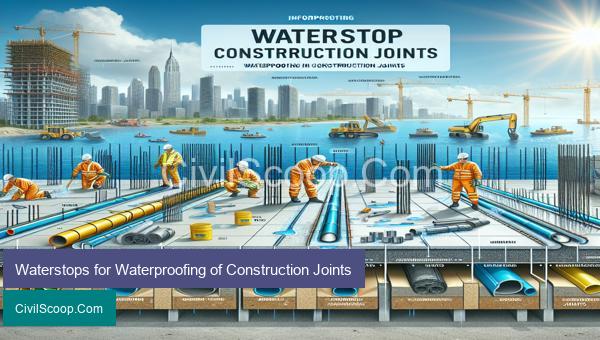
Waterstops are an essential part of any construction project that requires waterproofing of joints. These small but mighty components play a crucial role in preventing water infiltration and protecting the structural integrity of buildings, dams, tunnels, and other structures. In this article, we will discuss the importance of waterstops in waterproofing construction joints and explore the different types and installation methods available. We will also delve into the various factors to consider when choosing the right waterstop for your project to ensure long-lasting and effective waterproofing solutions. Whether you are a construction professional or a homeowner looking to waterproof your property, this article will provide valuable insights into the world of waterstops and their role in construction joint waterproofing.
Table of Contents
Waterstops for Construction Joint
Waterstops for construction joints are an essential component in any construction project that involves the use of concrete. They are designed to prevent the passage of water through joints and serve as a barrier for water leakage and moisture penetration. Waterstops are commonly used in structures such as foundations, basements, tunnels, swimming pools, and water treatment facilities.
The primary purpose of waterstops is to maintain the integrity and durability of the structure by preventing water leakage and protecting it from potential water damage. They are placed at the joints where two concrete elements meet, such as slab to slab, slab to wall, and wall to wall connections. Waterstops create a watertight seal at these joints and ensure a continuous waterproof barrier.
There are several types of waterstops available in the market, and their selection depends on the type of structure and application. One of the most commonly used waterstops is the PVC type. It is made of high-grade polyvinyl chloride (PVC) and provides excellent resistance to abrasion, chemicals, and extreme temperatures. PVC waterstops are available in various shapes and sizes, making them suitable for different construction joint configurations.
Another type of waterstop is the rubber or neoprene type, which is commonly used in areas where there is a high amount of movement, such as expansion and contraction joints. Rubber waterstops have excellent elasticity and can accommodate up to 30% movement without losing their sealing capacity. They are also resistant to various chemicals and have a long lifespan, making them ideal for heavy-duty applications.
Hydrophilic waterstops are also gaining popularity in the construction industry. These waterstops expand when they come in contact with water, creating a tight seal at the joints. They are an excellent choice for areas where there is a high water pressure, such as below-grade structures. Hydrophilic waterstops also have self-healing properties, which means they can repair any damage caused by minor movements or small cracks in the concrete.
In addition to the material and type, waterstops also come in various shapes and sizes to suit different joint configurations. Some common shapes include dumbbell, centerbulb, keyway, and ribbed. These shapes provide efficient sealing at joints and prevent the flow of water in and out of the structure.
Proper installation of waterstops is crucial for their effectiveness. They should be placed at the bottom and center of the joint and must be firmly anchored to the concrete. The joint surface must be clean, dry, and free from any debris before installing the waterstop. Adequate overlap of the waterstops must be maintained at the intersections to ensure complete waterproofing.
In conclusion, waterstops are essential components in construction joints that provide waterproofing and protect structures from potential water damage. Their selection, proper installation, and maintenance are crucial for their effectiveness and the overall durability of the structure. Consulting a professional engineer is recommended to determine the most suitable type of waterstop for a specific project and ensure its proper installation.
Material for Waterstops
Waterstops are essential materials used in civil engineering projects to prevent water infiltration and leakage in concrete structures such as retaining walls, basements, and tunnels. These materials are designed to accommodate movement, expansion, and contraction of concrete structures while maintaining a watertight seal.
Various materials are used as waterstops, which are selected based on the type of structure, water pressure, and other environmental factors. Some of the commonly used materials for waterstops are as follows:
1. PVC Waterstops:
PVC (Polyvinyl chloride) is a synthetic polymer that is widely used as a waterstop due to its high flexibility, durability, and resistance to chemicals and water pressure. PVC waterstops are available in various shapes such as dumbbell, ribbed, and bulb, and can be easily installed by heating and welding on-site.
2. Rubber Waterstops:
Rubber waterstops are made of natural or synthetic rubber and are suitable for low to medium water pressure conditions. They are available in different forms such as solid, sponge, and foam and can be installed by splicing, gluing, or cold vulcanization methods.
3. TPE Waterstops:
TPE (Thermoplastic Elastomer) waterstops are a combination of rubber and plastic, providing flexibility and durability. They can withstand high water pressure and are resistant to chemicals, making them suitable for harsh environments. TPE waterstops are available in various shapes and can be installed by welding or heat fusion methods.
4. Bentonite Waterstops:
Bentonite waterstops are composed of sodium bentonite, which swells upon contact with water to form a watertight seal. They are commonly used in below-grade construction and can be installed by adhering or troweling onto the concrete surface.
5. Metal Waterstops:
Metal waterstops, such as stainless steel and brass, are suitable for high water pressure conditions and can withstand extreme temperatures. They are commonly used in bridge construction and require welding or bolting for installation.
6. Hydrophilic Waterstops:
Hydrophilic waterstops are made of synthetic rubber and swell upon contact with water to form a watertight seal. They are suitable for dynamic joint movement and high water pressure conditions and are commonly used in tunnels and basements.
In addition to the materials mentioned above, there are also specialized waterstops available for specific applications, such as chemical-resistant waterstops for industrial projects and salt-water resistant waterstops for marine structures.
In conclusion, the selection of waterstop material depends on the specific project requirements and environmental conditions. Hence, it is essential to consult with a civil engineer or a waterstop manufacturer to determine the best material for the project. Proper installation and regular maintenance of waterstops are crucial to ensure their effectiveness in preventing water infiltration and preserving the integrity of concrete structures.
Types of Waterstops
Waterstop is a type of material that is used to prevent or control the flow of water in a concrete structure. It is commonly used in various types of construction including dams, tunnels, basements, and other underground structures. Waterstops are essential elements in ensuring the durability and integrity of concrete structures as they prevent water infiltration and potential damage.
There are several types of waterstops available in the market, which are differentiated based on their material composition, mode of installation, and usage. Let’s take a look at the most commonly used types of waterstops.
1. PVC Waterstops
PVC (polyvinyl chloride) waterstops are the most commonly used type of waterstop due to their durability and effectiveness in preventing water penetration. These waterstops are made from high-grade PVC plastic, which is resistant to chemicals and extreme weather conditions. They are available in different sizes and shapes such as flat, bent, and ribbed profiles, making them suitable for various concrete structures. PVC waterstops are easy to install, cost-effective, and have a long lifespan.
2. Rubber Waterstops
Rubber waterstops are also widely used in concrete structures. They are made from synthetic rubber compounds and are available as extruded, molded or mechanical types. Rubber waterstops are highly elastic and can accommodate heavy movements without compromising their effectiveness. They are ideal for use in expansion joints, construction joints, and around penetrations. Rubber waterstops are resistant to various chemicals and have excellent durability, making them suitable for use in harsh environments such as chemical plants and sewage systems.
3. Bentonite Waterstops
Bentonite waterstops are composed of sodium bentonite, a clay mineral that swells when it comes in contact with water. These waterstops are commonly used in below-grade construction and as an additional layer in concrete joints. When installed correctly, bentonite waterstops expand to fill gaps and voids, providing an impermeable barrier against water. They are also resistant to chemicals, making them suitable for use in industrial constructions.
4. Metal Waterstops
Metal waterstops are made from stainless steel, copper, or aluminum and are commonly used in larger concrete structures such as dams, reservoirs, and water treatment plants. They are highly durable, offering excellent protection against water and extreme conditions. Metal waterstops are ideal for use in concrete construction joints as they can accommodate large movements and provide a secure seal.
5. Hydrophilic Waterstops
Hydrophilic waterstops are made from synthetic rubber and expand when in contact with water. These waterstops are highly effective in preventing water infiltration and are commonly used in underground concrete structures. They are easy to install and require minimal maintenance, making them a popular choice in waterproofing solutions.
In conclusion, choosing the right waterstop is crucial in ensuring the long-term durability and integrity of concrete structures. Each type of waterstop has its unique properties and applications, so it is essential to select the appropriate type based on the construction needs and site conditions. Proper installation and regular maintenance of waterstops are also necessary to ensure their effectiveness in preventing water penetration.
Conclusion
In conclusion, waterstops are an essential component for ensuring the effectiveness and longevity of waterproofing for construction joints. Whether it’s in buildings, bridges, or other structures, waterstops provide a reliable barrier against water seepage and moisture infiltration, preventing potential damage and costly repairs. With advancements in technology, there are now a variety of materials and designs available to meet the specific needs of different construction projects. By properly installing and maintaining waterstops, construction joints can be protected from the damaging effects of water, providing a secure and watertight structure for years to come. So, when it comes to waterproofing of construction joints, choosing the right waterstop is crucial for a successful and durable waterproofing solution.