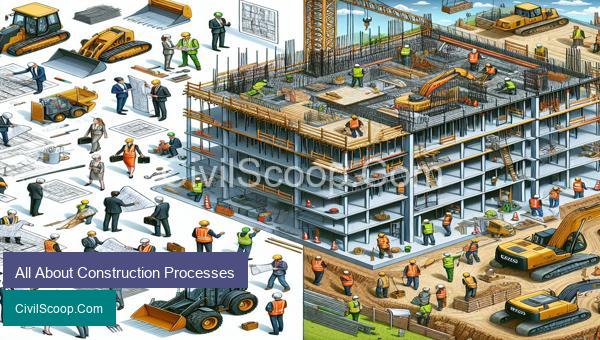
Construction is an indispensable aspect of society, shaping the built environment in which we live, work, and play. It encompasses a wide range of activities, from the planning and design phase to the actual construction process and its maintenance. Understanding the construction process is crucial for anyone involved in the industry, including architects, engineers, developers, contractors, and project managers. In this article, we will delve into the intricacies of construction processes and explore the various stages involved in bringing a project from concept to completion. Whether you are new to the field or looking to deepen your knowledge, this article will provide a comprehensive overview of all things construction processes.
Table of Contents
Construction Processes
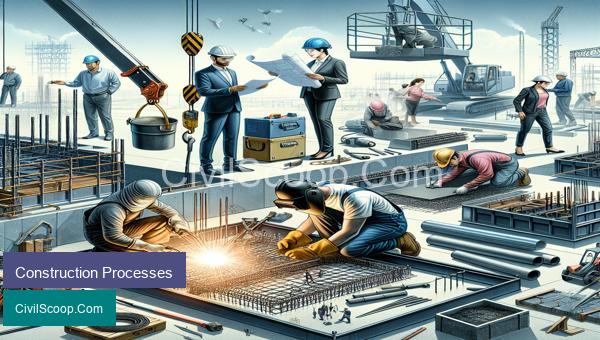
Construction processes refer to the step-by-step procedures and methods used to construct buildings, roads, bridges, and other structures. These processes involve planning, design, procurement, construction, and project management, and ultimately result in the transformation of raw materials into functional structures.
The following are the stages involved in the construction processes:
1. Planning and Design: This is the initial stage of construction processes where architects, engineers, and contractors work together to design the structure. Detailed plans and drawings are created, and feasibility studies are conducted to determine the viability of the project.
2. Procurement: Once the design phase is completed, the next step is to procure the necessary materials, equipment, and labor for construction. This involves obtaining permits, purchasing construction materials, and hiring contractors and subcontractors.
3. Site Preparation: Site preparation involves clearing the construction site, grading the land, and building access roads to the site. This stage also includes the installation of temporary facilities such as site offices, storage, and fencing.
4. Foundation Construction: The foundation is the most crucial part of any structure, as it provides the necessary support for the building. The foundation is usually constructed using concrete or steel and is designed to withstand the weight of the entire structure.
5. Structural Construction: Once the foundation is completed, the next step is to construct the structure’s frame. This involves building walls, floors, and roofs using materials such as concrete, steel, wood, or masonry, depending on the building’s design.
6. Plumbing, Electrical, and Mechanical Work: Once the structural construction is complete, the next step is to install plumbing, electrical, and mechanical systems. This stage involves laying pipes, wiring, and installing heating, ventilation, and air-conditioning (HVAC) systems.
7. Finishing Work: This stage involves the installation of interior finishes, such as flooring, ceiling, and wall finishes. Exterior finishes, including painting, cladding, and landscaping, are also completed at this stage.
8. Final Inspection and Handover: After the construction is complete, a final inspection is carried out to ensure that the building meets all safety and quality standards. Once approved, the project is handed over to the client.
9. Maintenance and Operation: After the construction process is complete, the building requires ongoing maintenance and operation to ensure its functionality. This includes regular inspections, repairs, and upgrades as needed.
Effective construction processes require close coordination and communication among all team members, including architects, engineers, contractors, and subcontractors. It is also essential to follow all safety regulations and standards to ensure the safety of workers and the public during construction. Additionally, proper project management is critical to ensure the project is completed on time, within budget, and to the client’s satisfaction.
Conclusion
In conclusion, construction processes play a crucial role in the development of our built environment. From designing and planning to execution and completion, each step requires careful consideration and expertise to ensure a successful outcome. By understanding the various stages of construction and the techniques and materials used, we gain a deeper appreciation for the complexity and significance of this industry. Whether it’s building homes, skyscrapers, or infrastructure projects, the construction process is a multifaceted and dynamic process that requires a collaborative effort from skilled professionals. With advancements in technology, we can expect to see continuous improvements in construction processes, leading to more efficient and sustainable structures. As we continue to strive for better, faster, and safer construction methods, the future of this industry is bright and exciting