
Steel structures have long been revered for their strength, durability, and versatility. From skyscrapers to bridges, these structures have stood the test of time and weathered numerous challenges. However, despite their sturdy nature, steel structures are not immune to failure. In fact, failures in steel structures can have catastrophic consequences, leading to loss of life and significant financial consequences. In this article, we will delve into the various causes of steel structure failure, the warning signs to look out for, and the measures that can be taken to prevent such failures. Understanding the common pitfalls and challenges of steel structures is crucial for ensuring their safety and longevity.
Table of Contents
How does a Steel Structure Fail?
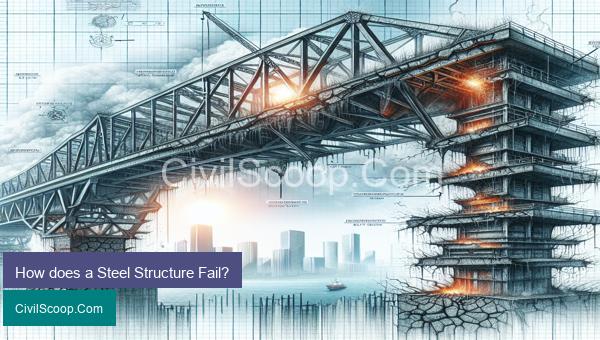
Steel structures are widely used in construction due to their strength, durability, and cost-effectiveness. However, like any other structure, they can fail under certain conditions. Failure of a steel structure can have serious consequences, ranging from property damage to loss of life. Therefore, it is essential to understand the potential causes of failure and how to prevent them.
The failure of a steel structure can occur due to a variety of reasons, some of which include design errors, material defects, and overloading. Let’s take a closer look at these potential causes of failure.
1. Design Errors:
Design errors are one of the most common causes of failure in steel structures. These errors can occur due to miscalculations, incorrect assumptions, or inadequate structural analysis. The design of a steel structure must take into account all the expected loads, such as dead loads (structural weight), live loads (occupancy weight), and environmental loads (wind, snow, seismic). If any of these loads are underestimated or overlooked, it can lead to structural instability and failure.
2. Material Defects:
Steel is known for its strength and durability. However, it is not immune to defects or flaws. Material defects, such as cracks, voids, or impurities, can significantly weaken the structure and reduce its load-carrying capacity. These defects can occur during the manufacturing process, transportation, or installation. If not detected and repaired, they can lead to catastrophic failure.
3. Overloading:
Steel structures are designed to carry a specific amount of load. However, if the structure is subjected to loads exceeding its capacity, it can result in failure. Overloading can occur due to a variety of reasons, such as changes in the building’s use, improper alteration, or natural disasters like earthquakes or hurricanes. It is essential to regularly inspect the structure and ensure that the loads are within the recommended limits.
4. Corrosion:
Corrosion is a chemical process that can occur when steel is exposed to moisture, oxygen, and other contaminants. It can weaken the steel and cause it to lose its load-carrying capacity. Corrosion can also occur due to improper installation or maintenance practices, such as inadequate drainage or the use of incompatible materials. In severe cases, corrosion can cause structural members to fail, leading to collapse.
5. Fire:
Fire is another significant cause of failure in steel structures. Steel loses its strength when exposed to high temperatures, causing it to deform and buckle. The duration of exposure and fire intensity can determine the extent of damage and potential failure. Fire protection measures, such as fireproof coatings and fire-resistant insulation, are essential to prevent fire-related failures.
In conclusion, a steel structure can fail due to various reasons, including design errors, material defects, overloading, corrosion, and fire. Proper design, material selection, and regular inspections and maintenance are crucial to prevent these failures. It is also essential to follow building codes and safety regulations to ensure the structural integrity and safety of steel structures.
Types of Failures in Steel Structures

Steel structures are widely used in the construction industry due to their high strength, durability, and flexibility. However, like any other structural material, steel structures are also prone to failures. Failures in steel structures can be catastrophic and can lead to significant damage or even collapse of the entire structure. Understanding the types of failures in steel structures is crucial in order to prevent them and ensure the safety of the structure and its occupants. Here are some of the common types of failures in steel structures:
1. Buckling Failure:
Buckling failure occurs when a member of a steel structure fails due to lateral instability. It happens when a compression force causes the member to deflect laterally and collapse. Buckling failure can occur in various types of members, such as columns, beams, and braces. It can be caused by design errors, inadequate bracing, excessive loading, or poor welding.
2. Fatigue Failure:
Fatigue failure is a type of failure that occurs due to repeated stress cycles. It happens when a structure is subjected to fluctuating loads, which can cause small cracks to form in the steel. Over time, these cracks can grow and eventually lead to the failure of the structure. Fatigue failure is more common in structures that experience constant or dynamic loads, such as bridges and wind turbines.
3. Connection Failure:
Connection failures occur when the connections between two members of a steel structure fail. This can happen due to poor welding, inadequate fasteners, or design flaws. Connection failures are especially dangerous in steel structures as they can cause a progressive collapse, where the failure of one connection leads to the failure of other connections and the whole structure.
4. Shear Failure:
Shear failure happens when a structure fails due to excessive shear stress. This can occur in beams, columns, and other members where shear forces are present. It can be caused by inadequate design, corrosion, or high loads. Shear failure can lead to the sudden collapse of a structure, making it a significant concern in designs.
5. Overload Failure:
Overload failure occurs when a structure is subjected to a load higher than its capacity to resist. It can happen due to errors in design, natural disasters, or human error. Overload failure can cause the entire structure to collapse, leading to devastating consequences.
6. Corrosion Failure:
Corrosion is a gradual process of deterioration of steel due to exposure to the environment. It can significantly reduce the strength and integrity of a steel structure. Corrosion failure can lead to the sudden collapse of structures, especially those exposed to marine or industrial environments.
To prevent these types of failures, it is crucial to conduct thorough design and structural analysis, follow proper construction procedures, and maintain the structure regularly. Regular inspections and maintenance can help identify potential failures and address them before they escalate. Proper design and construction techniques, along with the use of high-quality materials, can also significantly reduce the risk of failures in steel structures.
1. Compression Failure in Steel Structures

Compression failure occurs when a steel structure is subjected to a compressive force that exceeds its maximum load-bearing capacity. This type of failure is common in steel structures and can have serious consequences if not properly addressed.
Steel is a popular choice for construction due to its high strength and durability. However, even with its strong properties, steel structures can still fail under extreme compression. Compression forces act in the same direction as the structural members, causing them to buckle or collapse.
There are various factors that can lead to compression failure in steel structures. One of the most common causes is inadequate design or incorrect calculations of the structure’s load-bearing capacity. This can result in the structure being unable to withstand the expected compression forces, leading to instability and failure.
Another common cause of compression failure is the presence of imperfections or defects in the steel material. These imperfections can weaken the steel and reduce its load-bearing capacity, making it more susceptible to buckling under compression. Improper fabrication and construction techniques can also introduce weaknesses in the structure, making it vulnerable to compression failure.
External factors such as environmental conditions can also contribute to compression failure. For example, extreme temperature changes can cause thermal expansion or contraction of the steel, putting added stress on the already weakened structure. Corrosion of the steel can also compromise its strength, making it more prone to failure under compression.
Compression failure in steel structures can manifest in different ways, depending on the type of structure and the severity of the compressive force. Common signs of compression failure include significant bending or buckling of structural members, visible deformation or cracking, and sudden collapse of the structure.
To prevent compression failure in steel structures, proper design and calculation of load-bearing capacity are crucial. This involves considering all potential loads that the structure may be subjected to, including dead loads (weight of the structure) and live loads (occupancy, furniture, etc.). The steel material used should also be of high quality and free from any defects. Regular maintenance and inspection can help identify and address any weaknesses in the structure before they lead to failure.
In conclusion, compression failure in steel structures is a serious issue that can have catastrophic consequences. It is important for engineers to carefully design, construct, and maintain steel structures to prevent the risks of compression failure. Regular inspections and timely repairs can also help identify and address any potential failures before they occur. With proper care and attention, steel structures can continue to provide safe and reliable support for a wide range of applications.
2. Tension Failure in Steel Structures

Tension failure is a common type of failure that can occur in steel structures, and it is one of the most critical failure modes to be considered in the design and construction of these structures. In this article, we will discuss what tension failure is, its causes, and how it can be prevented in steel structures.
Tension failure occurs when a steel structure is subjected to excessive tensile stresses, leading to the fracture of the steel members. This type of failure is particularly dangerous as it can happen suddenly without any warning signs, causing severe damage or collapse of the structure. Tension failure can occur in any type of steel structure, including bridges, buildings, and industrial facilities.
Several factors can contribute to tension failure in steel structures. One of the most common causes is overloading of the structure, which exceeds the maximum design load. When a structure is overloaded, the applied load creates excessive tensile stresses, leading to the failure of the weakest member in the structure. Another cause of tension failure is poor workmanship during construction, such as inadequate welding, improper bolt tightening, or insufficient support of steel members. These construction defects can weaken the structure and make it more susceptible to tension failure.
Corrosion is another significant factor that can contribute to tension failure in steel structures. When steel is exposed to corrosive elements such as moisture, oxygen, and chemicals, it can weaken and reduce its load-carrying capacity. As a result, the steel members can fail under tensile stresses that would not normally cause failure in non-corroded steel. Lack of maintenance and regular inspection can also lead to corrosion and weaken the structure over time, increasing the risk of tension failure.
To prevent tension failure in steel structures, it is crucial to follow proper design and construction practices. The design of the structure should account for all potential loads, including environmental factors such as wind, snow, and seismic forces. Adequate safety factors should also be included in the design to ensure the structure can withstand unexpected loads. During construction, it is essential to conduct quality control checks to ensure proper fabrication and installation of steel members. Regular maintenance and inspection of the structure should also be performed to identify and address any corrosion or other potential issues that could lead to tension failure.
In conclusion, tension failure is a critical failure mode that can occur in steel structures. It can be caused by various factors, including overloading, poor workmanship, and corrosion. To prevent this type of failure, proper design, construction, and maintenance practices should be followed. As a civil engineer, it is crucial to be aware of tension failure and take necessary measures to ensure the safety and durability of steel structures.
3. Flexural Failure in Steel Structures

Flexural failure, also known as bending failure, is a type of structural failure that occurs in steel structures. It happens when a component or a structure is unable to resist the bending forces acting upon it, resulting in permanent deformation or collapse.
There are various factors that can contribute to flexural failure in steel structures, such as excessive loading, poor design, material defects, and inadequate maintenance. It is essential for civil engineers to understand the causes and mechanisms behind flexural failure to ensure the structural integrity and safety of buildings and other steel structures.
The mechanism of flexural failure in steel structures is primarily attributed to the tensile strength of the steel material. As the structure is subjected to the bending force, the top part of the component is in compression, while the bottom part is in tension. If the tensile stress exceeds the yield strength of the steel, it will lead to permanent deformation or fracture, causing the structure to fail.
One common cause of flexural failure in steel structures is overloading. If the structure is subjected to loads that exceed its design capacity, it can result in excessive bending stresses, leading to failure. For example, if a beam is designed to support a certain amount of weight, but the actual load placed on it is much higher, it can cause the beam to bend beyond its capacity, resulting in a flexural failure.
Poor design and construction practices can also contribute to flexural failure in steel structures. A poorly designed or constructed member can have irregularities that cause stress concentrations, making it more susceptible to bending failure. Similarly, inadequate maintenance can also result in flexural failure as it can lead to deterioration of the steel material and weaken its load-carrying capacity.
To prevent flexural failure in steel structures, civil engineers must consider the design, construction, and maintenance aspects. Proper design techniques must be used to ensure that the structure can support the anticipated loads without exceeding its capacity. The construction process must also follow industry standards and quality control measures to avoid any errors or defects that can lead to structural failure. Regular maintenance and inspection are also crucial to identify any signs of deterioration and address them promptly to prevent flexural failure.
In conclusion, flexural failure is a significant concern for civil engineers in the design and construction of steel structures. By understanding the causes and mechanisms behind flexural failure, engineers can implement appropriate measures to prevent it and ensure the safety and durability of steel structures.
4. Shear Failure of Steel Structures

Shear failure is a common type of failure in steel structures that occurs when the resistance to shearing forces is exceeded. It can happen in any structural element that is subjected to lateral loads, such as beams, columns, and connections. Typically, shear failure occurs due to inadequate design or structural defects, and it can have serious consequences on the overall stability and safety of the structure.
There are four main types of shear failures in steel structures, namely shear buckling, shear yielding, shear rupture, and shear instability. Each type has its own unique causes and characteristics, as discussed below.
1. Shear Buckling:
Shear buckling is a failure mode that is commonly observed in thin-walled structures, such as plate girders and thin-walled tubular sections. It occurs when the lateral forces acting on the structure cause the web or flanges to buckle out of plane. This type of failure is more likely to occur in long-span structures with low heights and high slenderness ratios. Insufficient bracing or lateral stability can also contribute to shear buckling.
2. Shear Yielding:
Shear yielding is a failure mode that occurs in steel structures with high shear stresses. It happens when the shear capacity of the steel material is exceeded, causing the material to yield or deform plastically. This type of failure is more likely to occur in structures with large shear forces, such as in multi-story buildings and bridges. Insufficient cross-sectional area or poor quality construction materials can also contribute to shear yielding.
3. Shear Rupture:
Shear rupture is a type of shear failure that occurs when the shear capacity of the structural element is exceeded, resulting in a sudden and catastrophic failure. It is often observed in connection elements, such as bolts, welds, and shear studs. Insufficient bolt size or spacing, inadequate weld quality, and improper installation can all contribute to shear rupture.
4. Shear Instability:
Shear instability is a failure mode that is characterized by sudden changes in stiffness or resistance to shear forces. It may occur in structures that undergo significant temperature changes, such as steel bridges and high-rise buildings. Differential thermal expansion, poor detailing, and inadequate connections can all contribute to shear instability.
To prevent shear failure in steel structures, engineers must carefully consider the forces acting on the structure, the properties of the steel material, and the overall design and construction methods. Proper bracing, adequate cross-sectional area, and strong connections are some of the key elements in preventing shear failure. Regular inspections and maintenance are also essential to identify potential shear failure risks and address them promptly. By applying appropriate design principles and using high-quality construction materials, shear failure can be effectively prevented, ensuring the safety and stability of steel structures.
Conclusion
In conclusion, understanding the potential causes and consequences of steel structure failures is crucial in ensuring the safety and integrity of buildings and structures. From design flaws to material defects, there are numerous factors that can contribute to these failures. It is essential for engineers, architects, and construction workers to thoroughly inspect and monitor steel structures to detect any signs of deterioration and address them promptly. Furthermore, adhering to strict building codes and regulations, along with continuous maintenance and repairs, can greatly reduce the risk of steel structure failures. By being vigilant and taking necessary precautions, we can prevent catastrophic events and promote a safer environment for all.