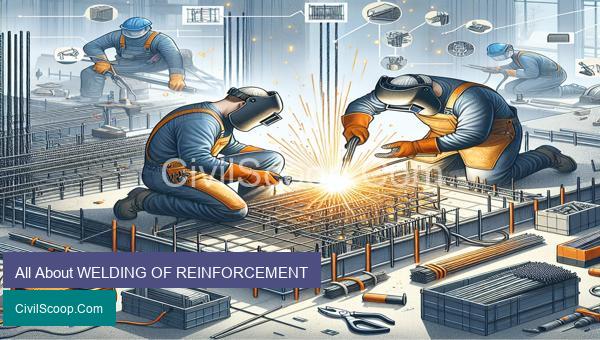
Welding of reinforcement is a vital process in the construction industry that plays a crucial role in ensuring the durability and strength of structural elements. It involves joining pieces of reinforcement steel bars through the application of heat and pressure, resulting in a solid bond. This technique is commonly used in reinforced concrete structures to provide additional strength and stability, making it a significant factor in the success of any building project. In this article, we will delve into the various aspects of welding of reinforcement, from its history and types to the benefits and best practices for its application. Whether you are a construction professional or simply interested in learning more about this essential process, this article will provide valuable insights into all you need to know about welding of reinforcement.
Table of Contents
WELDING OF REINFORCEMENT
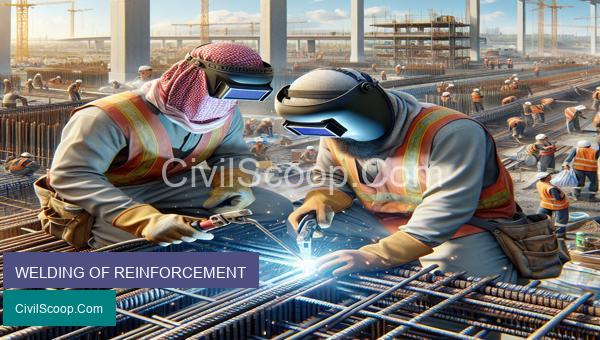
Welding of reinforcement is a common process used in civil engineering for connecting reinforcement bars (rebar) used in reinforced concrete structures. It is a cost-effective and efficient method of joining bars together, as opposed to traditional methods such as tying or overlapping.
The main purpose of welding reinforcement is to provide a strong and continuous bond between bars, which helps to transfer loads and stresses evenly throughout the structure. This is particularly important in high rise buildings and other structures where the load carrying capacity must be maximized.
The process of welding reinforcement involves joining two or more bars by heating them to their melting point and then welding them together to create a permanent and strong joint. This process requires skilled welders to ensure the quality and integrity of the weld.
There are two main types of welding used for reinforcement: electric arc welding and gas welding. Electric arc welding involves using an electric current to create an arc between the bars, which then fuses them together. This method is commonly used for welding large diameter bars and can be done either manually or with the use of automated equipment.
Gas welding, on the other hand, uses a gas flame to melt the ends of the bars and then joins them together by applying a filler metal. This method is commonly used for welding smaller diameter bars and is preferred for its accuracy and control.
Before welding, the rebar must be properly cleaned and prepared to ensure a strong bond. Any contaminants, such as rust, paint or oil, must be removed to prevent weak or defective welds. The bars must also be aligned properly to ensure that the longitudinal axis of the bars are parallel and the weld is centered.
Proper precautions must also be taken to prevent the rebar from overheating during welding, as excessive heat can weaken the bars and negatively affect the properties of the concrete. This can be achieved by controlling the welding parameters, such as voltage, current, and welding speed.
In some cases, a protective coating is applied to the welded joints to prevent corrosion and maintain the strength of the weld. This is especially important in structures that are exposed to harsh environments, such as marine environments.
In conclusion, welding of reinforcement plays a crucial role in the construction of reinforced concrete structures. With the advancements in welding technology, this method has become more popular due to its cost-effectiveness and efficiency. However, proper training and inspection are needed to ensure the quality and safety of the welds, and proper care must be taken to prevent any structural issues in the future.
Conclusion
In conclusion, welding of reinforcement is a crucial process in the construction industry that involves joining steel bars together to create a strong and durable structure. It requires proper training, equipment, and safety measures to be performed effectively. Welding of reinforcement offers numerous advantages such as increased strength, cost-effectiveness, and versatility in design. However, it also has potential risks if not done correctly, such as distortion and weakening of the welded joint. Therefore, it is essential to follow proper techniques and guidelines to ensure a successful and safe welding process. With continuous advancements in technology and training, welding of reinforcement will continue to be a vital component in the construction industry to create durable and resilient structures.