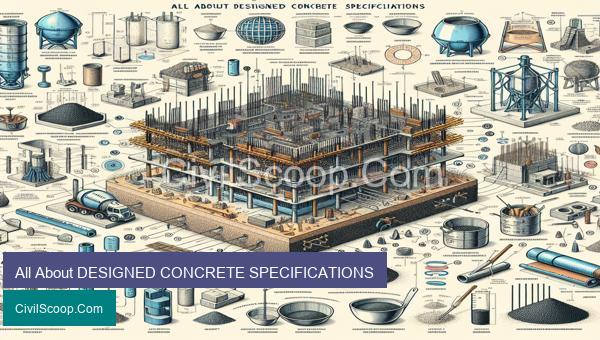
Concrete is one of the most widely-used materials in construction, providing strength and stability to buildings, roads, and other structures. However, not all concrete is created equal. Designed Concrete Specifications, also known as DCS, involves the careful planning and selection of concrete mixes to meet specific project requirements. From strength and durability to appearance and sustainability, DCS is crucial in achieving a successful and effective use of concrete. In this article, we will delve into the world of DCS, exploring its importance, key components, and applications in various construction projects.
Table of Contents
DESIGNED CONCRETE SPECIFICATIONS

Designed concrete specifications refer to the specific requirements and criteria that are outlined for the production and use of concrete in construction projects. These specifications are developed by civil engineers and construction professionals to ensure the desired strength, durability, and performance of concrete in a particular structure.
The process of designing concrete specifications involves a thorough understanding of the project requirements, as well as the properties and characteristics of concrete. Factors like the type of structure, its intended use, environmental conditions, and budget constraints all play a crucial role in determining the design specifications for concrete.
One of the primary aspects of concrete design specifications is the mix design. This involves determining the proportion of various ingredients, such as cement, aggregates, water, and admixtures, to achieve the desired strength and workability of concrete. The ingredients are selected based on their properties and compatibility with each other, as well as the specific project requirements.
In addition to the mix design, concrete specifications also include measures for quality control and quality assurance. This involves testing the materials and the final product to ensure that they meet the required standards. Quality control measures may include on-site testing of concrete strength, slump, and air content, while quality assurance may involve laboratory testing to check for properties such as compressive strength, durability, and workability.
Another crucial aspect of concrete design specifications is the curing process. Proper curing is essential for the development of strength and durability in concrete. Specifications for curing may include the use of wet curing methods, curing compounds, and the duration of curing.
Furthermore, designed concrete specifications also consider the environmental conditions and service life of the structure. For instance, concrete used in marine environments may require additional measures, such as using corrosion-resistant reinforcement and adding supplementary cementitious materials to enhance the concrete’s resistance to saltwater.
Concrete specifications may also include requirements for finishing and surface treatments. For example, flatness and levelness tolerances may be specified for floors, while surface treatments like sealers or coatings may be required for aesthetic purposes or to protect against environmental factors.
In conclusion, designed concrete specifications play a crucial role in ensuring the quality and performance of concrete in construction projects. By carefully considering all aspects of the project and the properties of concrete, civil engineers can develop specifications that meet the specific needs of each structure and ensure its long-term success.
Conclusion
In conclusion, designed concrete specifications play a crucial role in ensuring the durability, strength, and overall quality of concrete structures. By carefully considering factors such as materials, mix design, and placement, designers can create bespoke concrete solutions that meet the unique needs of each project. It is important for all parties involved, from engineers to contractors, to understand and adhere to the specified requirements in order to achieve successful and long-lasting concrete results. With constantly evolving technology and techniques, it is important for professionals to stay informed and updated on the latest standards and best practices in the world of concrete design. By following designed concrete specifications, we can ensure safe and reliable structures for generations to come.