
Suspension bridges have long been a marvel of engineering, combining strength and beauty to span across vast bodies of water or deep valleys. From the iconic Golden Gate Bridge to the record-breaking Akashi Kaikyo Bridge, these structures have captured our imagination and become symbols of progress and innovation. But what exactly makes a suspension bridge unique, and how do they differ from other types of bridges? In this article, we will delve into the world of suspension bridges and discover the fascinating history, design, and construction of these gravity-defying feats of engineering. Get ready to embark on an adventure and learn all about suspension bridges.
Table of Contents
Suspension Bridges
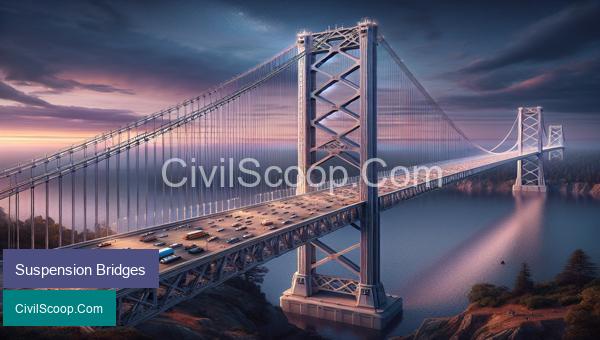
A suspension bridge is a type of bridge that is mostly used to span large distances over bodies of water or wide valleys. It is a popular engineering structure that is known for its distinctive design and impressive spanning capabilities. Suspension bridges are characterized by the use of cables suspended from towers and anchored at either end of the bridge. The first modern suspension bridge was built in the 19th century and since then, it has become a popular choice for engineers to cross major water bodies.
The main components of a suspension bridge are the deck, towers, cables, and anchorages. The deck is the actual roadway where vehicles and pedestrians can cross. It is supported by vertical suspender cables that hang from the main cables. The towers are tall structures that support the main cables and help to distribute the weight of the deck. The cables, which are the most distinctive feature of a suspension bridge, are made up of hundreds of steel wires bundled together to form strong ropes. These cables are anchored at either end of the bridge and provide the main support for the deck.
One of the key advantages of a suspension bridge is its ability to span large distances. This is made possible by the unique design of the main cables which are supported by the towers and anchored at either end of the bridge. The flexibility of the cables also allows the bridge to withstand high winds and earthquakes, making it a suitable choice for locations where these natural phenomena are common. Suspension bridges also have a relatively low construction cost as the use of cables reduces the need for large amounts of material.
However, suspension bridges also have some limitations that need to be considered during the design and construction process. The most notable limitation is the weight limit of the bridge. As the deck is suspended from the main cables, the load capacity of a suspension bridge is lower compared to other types of bridges. This means that heavier vehicles such as trains cannot be supported by a suspension bridge. Additionally, the construction process of a suspension bridge is complex and requires specialized equipment and skilled workers.
In conclusion, suspension bridges are impressive engineering structures that have become a symbol of modern infrastructure. Their ability to span large distances and withstand harsh environments has made them a popular choice in many locations around the world. With advancements in technology and engineering, the design and construction of suspension bridges continue to evolve, making them a vital part of our transportation system. As a civil engineer, understanding the principles of suspension bridge design is essential in creating safe and efficient infrastructure for the community.
Conclusion
In conclusion, suspension bridges have been a remarkable engineering feat, defying gravity and connecting cities and civilizations. From their humble beginnings in ancient times to the modern marvels we see today, suspension bridges have played a crucial role in transportation and trade. With their unique design and construction, they can span great lengths, withstand various forces, and provide a safe passage for millions of people every day. As we continue to push the boundaries of engineering and technology, it is certain that suspension bridges will continue to be a vital part of our infrastructure and continue to inspire awe and admiration for generations to come. So next time you cross a suspension bridge, take a moment to appreciate the intricate design and the engineering ingenuity that allows us to connect worlds and unite communities