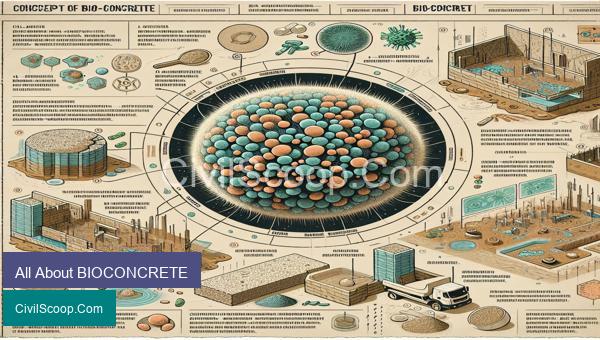
BIOCONCRETE, also known as self-healing concrete, is an innovative and eco-friendly solution that has gained significant attention in the construction industry. With the growing concern for sustainable and durable infrastructure, this concrete technology has emerged as a game-changer. Unlike traditional concrete, BIOCONCRETE has the ability to self-repair cracks and damages, prolonging the life of structures and reducing maintenance costs. In this article, we will dive into the world of BIOCONCRETE, exploring its composition, manufacturing process, benefits, and potential applications. We will also discuss the environmental impact of BIOCONCRETE and its role in promoting a greener and more resilient future.
Table of Contents
BIOCONCRETE
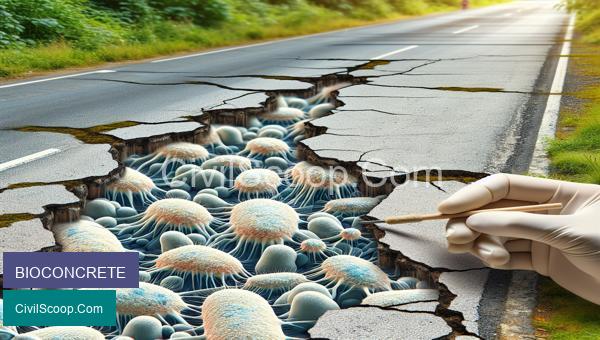
Bioconcrete is a type of concrete that is made using certain microorganisms and sustainable materials, instead of traditional cement. It has gained popularity in the field of civil engineering due to its potential to reduce carbon emissions and improve the durability and strength of concrete structures.
The concept of bioconcrete was first introduced in the 1990s by microbiologist Hendrik Jonkers at Delft University of Technology in the Netherlands. He discovered a type of bacteria called Bacillus pseudofirmus that has the ability to produce calcite crystals, making it ideal for use in concrete.
The production process of bioconcrete involves adding bacterial spores, mineral nutrients, and a calcium-based compound to the concrete mix. Once this mixture comes in contact with water, it activates the bacterial spores, which start consuming the nutrients and producing calcite crystals. These crystals fill up any cracks or gaps in the concrete, making it more impermeable and increasing its durability.
One of the main advantages of bioconcrete is its ability to self-heal. When cracks occur in traditional concrete, they can lead to a decrease in the structure’s strength and durability. However, with bioconcrete, the cracks are automatically filled and repaired, preventing the need for costly and time-consuming maintenance and repairs.
Moreover, bioconcrete is an eco-friendly alternative to traditional concrete. Cement production is responsible for a significant amount of carbon emissions, with estimates ranging from 5-8% of global carbon emissions. Bioconcrete, on the other hand, has a much lower carbon footprint as it uses sustainable materials and reduces the amount of cement needed in the mix.
The use of bioconcrete also has the potential to revolutionize the construction industry by creating more sustainable and resilient structures. In areas prone to earthquakes, bioconcrete can help reduce the damage caused by the movement of the ground. It can also be beneficial in marine environments as the bacteria used in bioconcrete can prevent corrosion of reinforcing steel in structures.
Although still in its early stages of development, bioconcrete has already been used in several real-world applications. In 2015, a bike path made using bioconcrete was unveiled in the Netherlands, and it is still in good condition today. The technology has also been used in a seawall project in Indonesia, where it was able to withstand the harsh marine environment for several years without degradation.
In conclusion, bioconcrete holds great promise for the future of civil engineering. This innovative material has the potential to reduce carbon emissions, improve durability, and increase the resilience of structures against natural disasters. With further research and development, bioconcrete could become a common and sustainable solution for construction projects around the world.
Conclusion
In conclusion, Bioconcrete is an innovative and sustainable solution for the construction industry. With its ability to heal cracks, absorb carbon dioxide, and reduce the environmental impact of traditional concrete, bioconcrete is a game-changing technology. As we continue to face global challenges such as climate change and a rapidly growing population, it is crucial to embrace more sustainable building materials. Bioconcrete offers a promising future for construction, and its development should be encouraged and supported. With ongoing research and advancements, we can expect to see bioconcrete become a widely adopted material and make a significant impact in creating a greener and more resilient world. Let us embrace this new technology and work towards a more sustainable future for our planet.