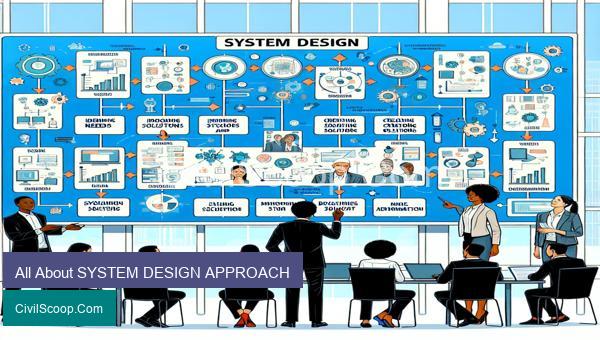
System design approach is a crucial aspect of any development project, whether it is software, hardware, or a combination of both. It involves creating a detailed plan or blueprint for the system that outlines its structure, components, and functionality. This approach ensures that the end product is well thought out and meets the desired requirements. In this article, we will delve into the world of system design approach, its key principles, and how it can be effectively applied to create robust and efficient systems.
Table of Contents
SYSTEM DESIGN APPROACH
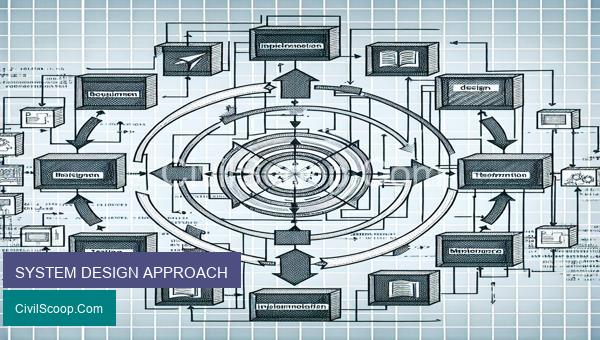
The system design approach is a process used by civil engineers to design and develop a construction system that meets the requirements of a project. This approach involves the systematic planning, analyzing, and designing of various elements that make up a construction system. It is an essential aspect of the construction process and plays a vital role in ensuring the successful completion of a project.
The system design approach is based on the principles of system engineering, which involves breaking down a complex system into smaller components and analyzing their interrelationships. In civil engineering, a construction system can be defined as a combination of materials, tools, equipment, and processes that work together to achieve a specific goal. Therefore, the system design approach involves the design and integration of these elements to create an efficient and functional construction system.
The first step in the system design approach is the identification of the project requirements. This involves understanding the project scope, objectives, and constraints. The engineer must also consider factors such as site conditions, environmental impacts, and budget limitations. This information is crucial in guiding the design process and ensuring that the final construction system meets all the necessary requirements.
Once the project requirements have been established, the next step is to analyze the problem and identify potential solutions. This involves a thorough examination of the project specifications, technical drawings, and other relevant documents. The engineer must also consider various design alternatives and evaluate their feasibility and practicality. This process is often done using computer-aided design (CAD) software, which enables the engineer to create and evaluate multiple design options quickly.
After analyzing the problem and identifying different solutions, the engineer then begins to develop a detailed design for the construction system. This involves selecting the appropriate materials, tools, equipment, and techniques to be used in the construction process. The engineer must also ensure that the design meets all safety and regulatory requirements. A detailed design document is created, which serves as a blueprint for the construction team and contractors.
The final step in the system design approach is the implementation of the construction system. This involves coordinating with various stakeholders, such as contractors, suppliers, and government agencies, to ensure that the construction system is implemented as per the design specifications. The engineer also monitors the construction process to ensure that it is being carried out correctly and makes modifications, if necessary, to ensure that the project stays on track.
In conclusion, the system design approach is an essential tool for civil engineers in designing and developing efficient and functional construction systems. It ensures that all project requirements are met, and the final construction system is safe, cost-effective, and meets all regulatory standards. By following this approach, engineers can ensure the successful completion of a project within budget and on schedule.
Conclusion
In conclusion, the system design approach is a crucial step in the development of any complex system. It involves carefully analyzing the system requirements, identifying potential issues, and coming up with efficient and effective solutions. The design process requires a collaborative effort from a team of experienced individuals with diverse expertise. By following a systematic approach, developers can ensure that the final product meets the desired specifications and performs effectively. It also allows for flexibility and adaptability in case of future updates and changes. Overall, understanding and implementing the system design approach is essential for successful system development, and it plays a significant role in shaping our advanced technological world.