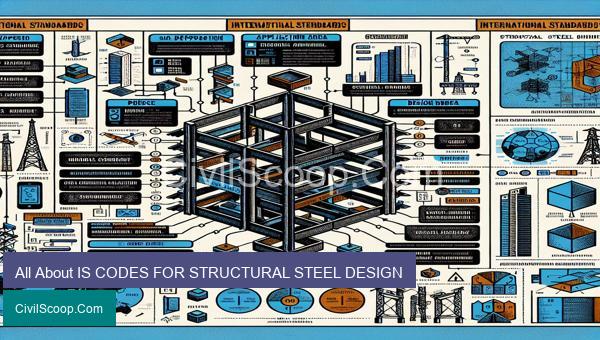
Structural steel is one of the most widely used materials in construction, owing to its strength, durability, and versatility. However, in order to ensure safe and efficient use of structural steel, it is important to adhere to specific design standards and guidelines. This is where IS codes for structural steel design play a crucial role. These codes, developed by the Bureau of Indian Standards (BIS), provide comprehensive guidelines for the design, fabrication, and erection of structural steel components. In this article, we will delve deeper into the world of IS codes for structural steel design and understand their significance in the construction industry.
Table of Contents
IS CODES FOR STRUCTURAL STEEL DESIGN
IS codes for structural steel design are a set of guidelines and specifications issued by the Bureau of Indian Standards (BIS) for the safe and efficient design, construction, and use of steel structures in India. These codes are mandatory for all civil engineers, architects, and professionals involved in the design and construction of structures using steel as the primary structural material.
Some of the important IS codes for structural steel design are:
1. IS 800: This code lays down the general requirements for the design of steel structures, including material properties, loads, stability, and design methods. It also covers the use of various types of steel, such as structural steel, stainless steel, and high-strength steel.
2. IS 800 (Part 1): This part of the code deals with the general requirements for steel structures, including the design of structural elements, such as beams, columns, and connections.
3. IS 800 (Part 2): Part 2 of this code covers the design of steel structures for buildings, including load combinations, design of members, and design of connections.
4. IS 800 (Part 3): This part of the code provides guidelines for the design of steel structures for industrial buildings, such as factories, warehouses, and storage facilities.
5. IS 802: This code specifies the dimensions, sectional properties, and general requirements for rolled steel sections used in structural steel design.
6. IS 808: This code covers the design of structural steel sections, such as beams, columns, and channels, including loading conditions, design checks, and design of connections.
7. IS 875: This code specifies the loads to be considered for the design of structures, including dead loads, live loads, wind loads, and earthquake loads.
8. IS 806: This code deals with the design of steel structures subjected to fire, including the calculation of fire resistance and the use of fire-resistant materials.
9. IS 878: This code specifies the requirements for fabrication and erection of steel structures, including welding, bolting, and other methods of connection.
10. IS 800 (Part 4): Part 4 of this code provides guidelines for the design of steel structures for bridges, including the design of decks, girders, and foundations.
In addition to these codes, there are other specialized codes that cover specific aspects of structural steel design, such as seismic design, computational methods, and corrosion protection.
In conclusion, IS codes for structural steel design play a crucial role in ensuring the safety, reliability, and economy of steel structures. Civil engineers must adhere to these codes while designing and constructing steel structures to ensure compliance with national standards and achieve efficient and sustainable designs.
Conclusion
In conclusion, IS codes for structural steel design play a crucial role in ensuring the safety and efficiency of steel structures. These codes provide standardized guidelines for the design, fabrication, and construction of steel structures, ensuring their structural integrity and durability. It is important for engineers, architects, and construction professionals to have a thorough understanding of these codes in order to ensure the successful implementation of steel structures. By adhering to IS codes, we can ensure that our built environment is safe, reliable, and sustainable. As technology and construction techniques continue to advance, these codes are constantly updated to keep up with the latest standards and innovations. Therefore, it is imperative for professionals in the field to stay updated and follow the latest versions of IS codes for structural steel design to