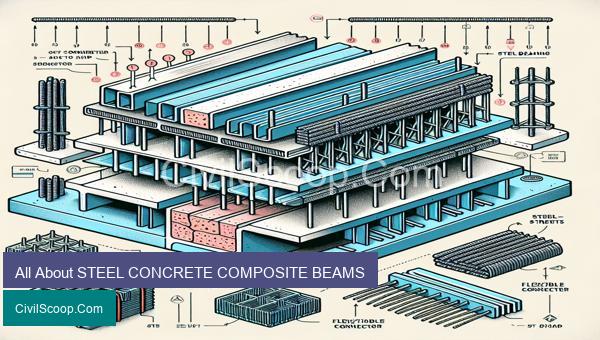
Steel concrete composite beams, also known as composite structural members, are important components in modern construction. These innovative beams combine the superior strength and rigidity of steel with the versatility and durability of concrete, making them a popular choice for a wide range of building projects. In this article, we will explore the basics of steel concrete composite beams, including their features, benefits, design considerations, and applications. Whether you are a builder, engineer, or simply interested in understanding the technology behind modern construction, this article will provide you with a comprehensive overview of all things steel concrete composite beams.
Table of Contents
STEEL CONCRETE COMPOSITE BEAMS

Steel concrete composite beams are structural elements used in buildings and bridges to resist bending and shear forces. They are composed of two main materials – steel and concrete – that work together to create a stronger and more efficient structural member.
The concept of steel concrete composite beams originated in the 1960s when building codes were focused on using steel or concrete solely as the primary building material. However, engineers soon realized that combining these two materials can create a more efficient and cost-effective structural system.
The composite beam consists of a steel section, known as the beam, and a concrete slab, known as the deck, which are connected together through shear connectors. The shear connectors, typically in the form of headed studs, provide the necessary shear transfer between steel and concrete, allowing them to act as one unit.
The steel section provides the structural support and stiffness, while the concrete slab adds additional strength and stiffness, making the beam more resistant to bending and shear forces. This results in a more efficient use of materials, as the concrete slab can take up some of the bending stresses, reducing the size of the steel beam required.
There are several advantages to using steel concrete composite beams. Firstly, they are highly versatile and can be used in a wide range of building types and structures, such as high-rise buildings, bridges, and industrial structures. Secondly, they have a high strength-to-weight ratio, meaning they can carry heavier loads using less material compared to traditional steel or concrete beams. This also results in cost savings and reduced construction time.
Moreover, steel concrete composite beams possess good fire resistance due to the high thermal inertia of concrete, which slows down the heating of the steel. This is a significant advantage over steel beams, which can lose their strength quickly in high-temperature environments.
One of the primary challenges in designing steel concrete composite beams is ensuring proper connection between the steel and concrete elements. The shear connectors must be carefully designed and placed to provide adequate transfer of forces between the two materials. The concrete slab must also be adequately reinforced to resist the tensile forces caused by the bending of the beam.
In conclusion, steel concrete composite beams offer numerous benefits in terms of strength, cost, and fire resistance compared to traditional steel or concrete beams. With the advancements in construction technology, these beams are becoming increasingly popular and are widely used in modern building and bridge design. As a civil engineer, it is essential to have a thorough understanding of steel concrete composite beams and their design principles to create safe and efficient structures.
Conclusion
In conclusion, steel concrete composite beams have become an increasingly popular choice in construction due to their numerous benefits. Combining the strength and durability of steel with the versatility and cost-effectiveness of concrete, these composite beams offer the best of both materials. They provide added strength and stability to structures, allowing for longer spans and reduced support columns. Additionally, they offer better fire resistance and are more sustainable compared to traditional reinforced concrete beams. It is evident that steel concrete composite beams are a superior choice for modern construction projects and will continue to play a crucial role in the future of the industry. With ongoing advancements and innovations, we can only expect these beams to become even more efficient and widely used.