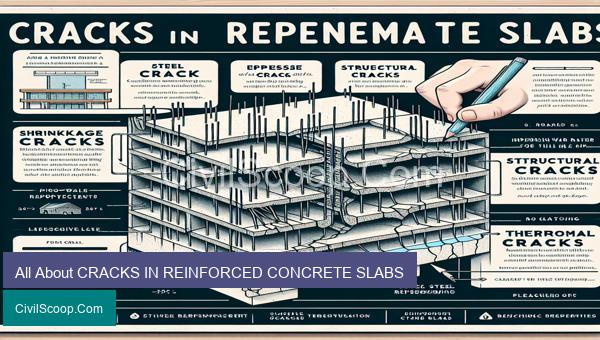
Cracks in reinforced concrete slabs are a common occurrence in construction projects, and they are a cause for concern for engineers and contractors alike. These cracks can compromise the structural integrity of the slab, leading to safety hazards, aesthetic issues, and costly repairs. It is crucial to have a comprehensive understanding of the causes, types, and treatments of cracks in reinforced concrete slabs to prevent them from occurring and to address them effectively when they do. In this article, we will delve into all aspects of cracks in reinforced concrete slabs to provide a comprehensive guide for professionals and homeowners alike.
Table of Contents
TYPES OF CRACKS IN REINFORCED CONCRETE SLABS

Reinforced concrete slabs are widely used in construction as they offer both strength and durability. However, during their service life, these slabs are prone to developing cracks due to various reasons. These cracks not only affect the aesthetic appeal of the structure but also compromise its structural integrity.
There are many different types of cracks that can occur in reinforced concrete slabs. Some of the most common types are as follows:
1. Plastic Shrinkage Cracks: These cracks are formed due to the rapid drying of the concrete surface. When concrete is initially poured, it undergoes a process called plastic shrinkage, where it loses water to the atmosphere. This results in volume reduction and causes cracks to form on the surface. These cracks are usually shallow and can be prevented by proper curing techniques.
2. Settlement Cracks: These cracks occur when the subgrade or base beneath the concrete slab compresses or settles. This can be caused by poor soil compaction, inadequate site preparation, or changes in moisture content of the soil. Settlement cracks often appear as horizontal or diagonal cracks on the surface of the slab.
3. Thermal Cracks: Temperature changes can cause concrete to expand or contract, which can lead to thermal cracks in reinforced concrete slabs. This is more common in large slabs that are exposed to direct sunlight and drastic temperature changes. These cracks are usually thin and may appear in a diagonal or zig-zag pattern on the surface.
4. Structural Cracks: Structural cracks are the most serious type of cracks in reinforced concrete slabs as they can jeopardize the strength and stability of the structure. These cracks are caused by overloading, inadequate reinforcement, or poor construction practices. They can be identified by their width, depth, and location.
5. Settlement Joint Cracks: Reinforced concrete slabs are often divided into smaller sections by placing joints at regular intervals. These joints allow for the natural expansion and contraction of the slab without causing cracks. However, if these joints are not properly constructed or maintained, settlement joint cracks can occur.
6. Load Transfer Cracks: Load transfer cracks are formed at the joints of two adjacent slabs that are not connected properly. When a heavy load is placed on one slab, the other slab experiences stress, causing cracks to form at the joint. These cracks are often seen in industrial floors or parking lots where heavy vehicles are used.
7. Corrosion Cracks: Reinforcing bars used in reinforced concrete slabs can corrode due to exposure to water, chemicals, or salts. This corrosion causes the reinforcing bars to expand, exerting pressure on the surrounding concrete and resulting in cracks. These cracks are usually observed in older structures and can severely weaken the slab.
In conclusion, timely identification and proper repair of cracks in reinforced concrete slabs can prevent further damage and extend the lifespan of the structure. It is essential to address the underlying cause of the cracks and take appropriate measures to prevent their recurrence. Regular maintenance and proper construction practices can help minimize the occurrence of cracks in reinforced concrete slabs.
Conclusion
In conclusion, cracks in reinforced concrete slabs are a common occurrence that can have various causes and impacts on the overall structure. It is essential to understand the types, sizes, and patterns of cracks to determine the appropriate repair solution. Regular maintenance and proper design, construction, and curing techniques can help prevent cracks in reinforced concrete slabs. It is crucial to consult a structural engineer or professional before taking any action towards repairing cracks to ensure the safety and longevity of the structure. With proper understanding and proactive measures, the issue of cracks in reinforced concrete slabs can be effectively managed.