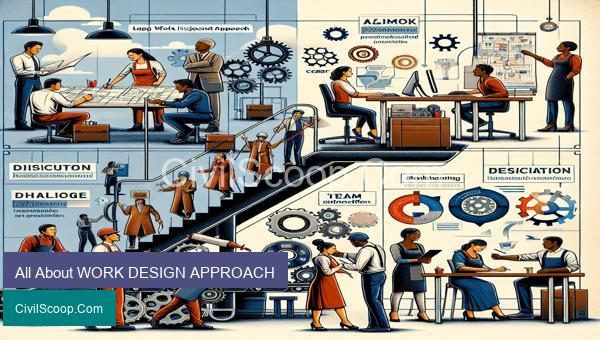
Work design approach is a crucial aspect of any business, as it involves the ways in which work is organized and performed to achieve maximum productivity and efficiency. With the ever-changing demands of the modern workplace, it is essential for organizations to adopt effective work design strategies to stay competitive and meet the needs of their employees. In this article, we will explore the concept of work design approach, its benefits, and various approaches that can be used to create a successful work design framework. By understanding the importance of work design and implementing it in your organization, you can ensure a positive work culture and increase overall performance.
Table of Contents
WORK DESIGN APPROACH
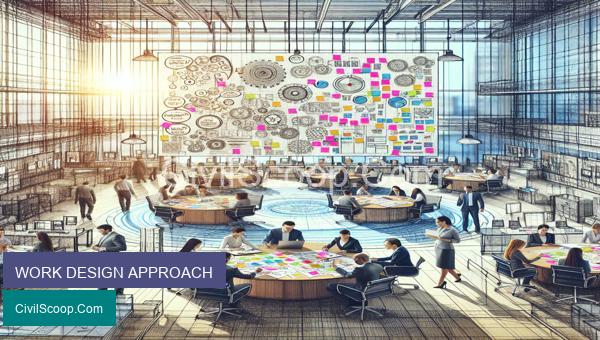
Work design approach refers to the systematic planning and organizing of tasks, processes, and job roles in order to create an efficient and productive workplace. It involves analyzing the tasks, setting goals, and establishing processes to ensure that work is performed in the most effective and efficient way possible.
There are various approaches to work design, each with its own theories and methodologies. Some of the popular approaches include industrial engineering, human factors engineering, ergonomics, and job enrichment.
Industrial engineering focuses on improving the efficiency of the production process by analyzing the workflow and eliminating waste and inefficiencies. This approach aims to increase productivity and reduce costs by streamlining processes and optimizing resources.
Human factors engineering, also known as ergonomics, focuses on designing work environments and tasks that are safe, comfortable, and conducive to human abilities and limitations. This approach takes into consideration the physical, cognitive, and emotional aspects of work to improve employee well-being and productivity.
Job enrichment is an approach that aims to increase motivation and job satisfaction by providing employees with more autonomy, variety, and responsibility in their roles. This approach believes that enriching the tasks and responsibilities of a job can result in higher levels of job performance and satisfaction.
Regardless of the specific approach used, the core purpose of work design is to create a well-structured and effective workplace that can benefit both the organization and the employees. This can be achieved through various methods such as job analysis, task structuring, and process reengineering.
Job analysis involves breaking down a role into its component tasks, understanding the skills and requirements needed to perform those tasks, and identifying the most efficient and effective way to complete them.
Task structuring involves organizing and sequencing tasks to create a logical and effective workflow. This can include dividing tasks into smaller, more manageable components or combining tasks to eliminate duplicate efforts.
Process reengineering involves reviewing and redesigning the entire process of completing a task or set of tasks. It aims to identify and eliminate unnecessary steps, automate processes, and increase efficiency.
In conclusion, a well-executed work design approach can result in a more efficient, productive, and satisfying workplace. It is essential for organizations to regularly review and adapt their work design approach to keep up with changing technologies, work dynamics, and employee needs.
Conclusion
In conclusion, the work design approach is a crucial aspect of modern workplace management. It emphasizes the optimization of employee productivity and satisfaction by creating a well-designed work environment. By incorporating principles of job redesign, flexible work arrangements, and incorporating technology, the work design approach can help organizations achieve their goals efficiently and effectively. Through a holistic approach that considers both individual and organizational needs, work design can improve employees’ overall well-being and drive success for the business. As workplaces continue to evolve and adapt to changes, the work design approach will remain an essential tool for creating productive and engaging work environments. Its benefits not only impact employees but also contribute to the overall success and growth of businesses.