
The Real Estate (Regulation and Development) Act, or RERA, is a landmark legislation introduced in 2016 by the Indian government to regulate the real estate sector and protect the rights of homebuyers. This act has brought significant changes to the real estate industry, ensuring transparency, accountability, and efficiency in the sector. In this article, we will delve into the key provisions and implications of the RERA Act, providing an in-depth understanding of its impact on homebuyers, builders, and the overall real estate market.
Table of Contents
Objective of RERA
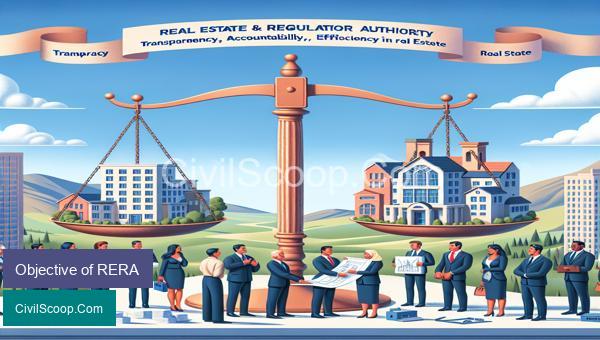
RERA (Real Estate Regulatory Authority) is a government body that was established to regulate the real estate sector in India. Its objective is to ensure transparency, accountability, and fair practices in the real estate industry. RERA was introduced in 2016 through the Real Estate (Regulation and Development) Act, in order to protect the interests of home buyers and to promote growth in the sector.
The main objectives of RERA are as follows:
1. Regulatory body for real estate sector: One of the primary objectives of RERA is to be the central regulatory authority for the real estate sector in India. It aims to streamline the industry by introducing standardized practices and procedures.
2. Increase transparency: RERA aims to bring transparency in the real estate market by making it mandatory for all real estate developers to register their projects with the authority. This ensures that all project details, including project timelines, layouts, approvals, and pricing, are available to the public.
3. Protection of home buyers’ interests: RERA aims to protect the interests of home buyers by ensuring that they receive timely delivery of their homes. It also makes it mandatory for developers to deposit 70% of the funds received from home buyers in a separate account, which can only be used for construction purposes.
4. Standardized practices: RERA aims to standardize the practices followed by developers by enforcing rules and regulations related to project registrations, project completion, and pricing. This ensures that all home buyers are treated fairly and have access to accurate information.
5. Accountability of developers: Another objective of RERA is to hold developers accountable for their actions. It ensures that developers adhere to the promised project timelines and deliver quality homes to home buyers.
6. Promote healthy competition: RERA aims to promote healthy competition in the real estate market by creating a level playing field for all developers. This promotes fair practices and ensures that home buyers have access to a wide range of options to choose from.
7. Dispute resolution: RERA has laid down clear guidelines for dispute resolution between home buyers and developers. It aims to provide a quick and effective mechanism for settling disputes and ensuring that home buyers receive timely justice.
In conclusion, RERA plays a crucial role in regulating the real estate sector in India. Its objectives focus on promoting transparency, protecting home buyers’ interests, and promoting fair practices in the industry. By enforcing these objectives, RERA is working towards creating a more efficient and reliable real estate market in the country.
Need for RERA

The Real Estate (Regulation and Development) Act, also known as RERA, was enacted in 2016 to regulate and protect the interest of homebuyers in the real estate market in India. This act has brought significant changes in the real estate sector, particularly in the way the industry operates. As a civil engineer, I have witnessed the impact of RERA on the construction industry and believe that it has been a much-needed reform in the real estate sector.
The primary purpose of RERA is to bring transparency and accountability in the real estate industry. It has established a regulatory authority in each state and union territory to ensure that developers and builders follow the rules and regulations set by the act. This has addressed the issue of unscrupulous practices by some developers, such as delays in project completion, misleading advertisements, and diversion of funds. RERA has also made it mandatory for developers to register their projects with the regulatory authority, which has improved the information flow to homebuyers.
One of the key benefits of RERA is the protection of homebuyers’ interests. The act requires developers to disclose all details of the project, including layout plans, carpet area of the flat, and completion timeline, in the public domain. This has empowered homebuyers to make informed decisions based on the information provided by the developers. Moreover, RERA has introduced the concept of escrow accounts, where developers have to deposit 70% of the project funds, which can only be used for that specific project, ensuring that the money is not diverted to other projects.
RERA has also improved the overall quality of construction. As per the act, developers have to provide a five-year warranty for any structural defects and one-year warranty for other types of defects. This has put pressure on developers to use better quality materials and follow standard construction practices to avoid any potential legal action from homebuyers. Additionally, RERA has also made it mandatory for developers to obtain necessary approvals and registrations before starting any project, ensuring that they comply with all safety and quality standards.
As a civil engineer, I believe that RERA has been a significant contributor to the growth and development of the real estate industry. It has brought in much-needed accountability, transparency, and consumer protection, which has increased the credibility of the sector. RERA has also led to the growth of more organized and professional players in the market. It has also given a boost to the affordable housing sector by regulating the pricing of such projects.
In conclusion, the need for RERA was evident to bring much-needed reforms in the real estate industry. As a civil engineer, I have seen the positive impact of RERA on the quality of construction, consumer protection, and overall development of the sector. With the act in place, we can hope for a more transparent and regulated real estate industry in India.
Salient Features of RERA
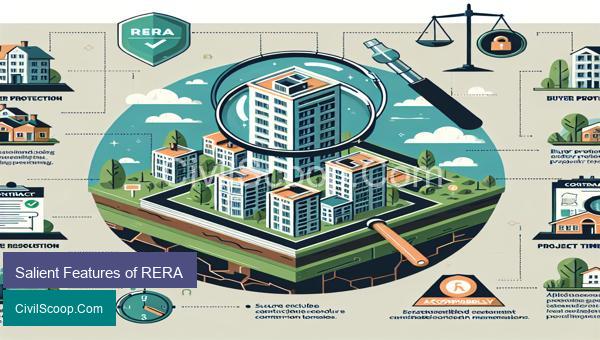
Salient Features of RERA (Real Estate Regulation and Development Act) are:
1. Mandatory registration: RERA makes it mandatory for all real estate projects and real estate agents to register with the regulatory authority in their respective states. This ensures transparency and accountability in the real estate sector.
2. Protection of homebuyers: RERA aims to protect the interests of homebuyers by ensuring timely delivery of projects, and eliminating fraudulent practices such as false advertising and diversion of funds.
3. Standardized Carpet Area: RERA mandates that all developers use the same formula and methodology for calculating the carpet area of a project. This ensures that buyers get what they pay for and eliminates any confusion or discrepancies.
4. Disclosure of project details: Developers are required to disclose all the details of their project such as layout plan, approval status, land status, schedule of completion, etc. on the RERA website. This promotes transparency and helps buyers make informed decisions.
5. Escrow account: RERA requires developers to deposit 70% of the project funds in a separate escrow account to ensure that the funds are utilized for the specific project and not diverted elsewhere.
6. Structural defect liability: RERA states that builders are responsible for any structural defects in a project for a period of 5 years. If any defects are found during this period, the developer is liable to rectify them at no extra cost.
7. Timely completion: RERA specifies a timeline for completion of the project and penalizes developers for any delays. This ensures that projects are completed on time, reducing the financial burden on buyers.
8. Dispute resolution: RERA provides for a fast-track dispute resolution mechanism through a dedicated adjudicating officer or through the RERA appellate tribunal. This helps resolve disagreements between buyers and developers in a timely and efficient manner.
9. Real estate agents registration: Under RERA, all real estate agents have to register with the regulatory authority and comply with the code of conduct laid down by RERA. This ensures that only genuine and trustworthy agents are involved in property transactions.
10. Promotes accountability: RERA promotes accountability of all stakeholders involved in the real estate sector- be it the developers, agents, or buyers. This helps in building trust and confidence among buyers and investors in the real estate market.
In conclusion, RERA has been a game-changer in the Indian real estate industry by bringing in much-needed transparency, accountability, and consumer protection. Its salient features have helped in streamlining the sector and making it more buyer-friendly. This has ultimately led to the growth and development of the real estate industry in India.
Benefits of RERA Act
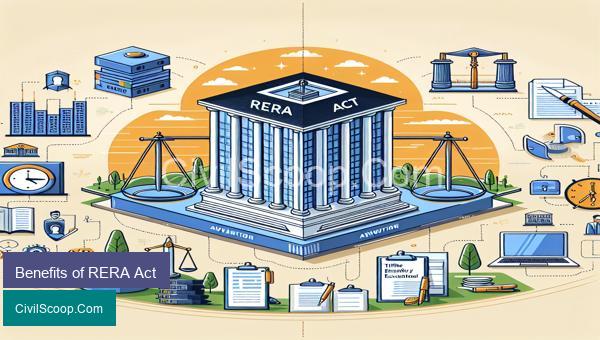
The Real Estate (Regulation and Development) Act, commonly known as RERA, was enacted in 2016 to regulate the real estate sector in India. It is considered a landmark legislation as it has brought much-needed transparency and accountability to the industry. Here are some of the benefits of the RERA Act:
1. Protection of Homebuyers: RERA has strengthened the rights of homebuyers and provided them with a platform to file complaints against developers. The act mandates that developers register their projects with the regulatory authority, provide accurate information, and complete the project on time. If the developer fails to fulfill these obligations, homebuyers can seek remedy through the RERA tribunal.
2. Timely Completion of Projects: One of the major issues in the real estate sector was the delay in project completion. RERA has introduced the concept of project registration and strictly prohibits developers from advertising, marketing, or selling any project without obtaining the necessary approvals. This has led to a significant decrease in project delays, ensuring that homebuyers get possession of their property on time.
3. Transparency: RERA has made it mandatory for developers to disclose all information related to the project, such as project details, layout plans, approval status, and carpet area. This has increased transparency in the sector, making it easier for homebuyers to make informed decisions.
4. Standardized Practices: RERA has introduced a set of rules and regulations that developers need to follow while developing and selling their projects. This has standardized practices in the real estate sector, making it more organized and professional.
5. Quality of Construction: Under RERA, developers are required to adhere to quality standards set by the regulatory authority. This ensures that the construction is of high quality, which is beneficial for homebuyers in the long run.
6. Dispute Resolution: RERA has established state-level tribunals to resolve disputes between homebuyers and developers. This has reduced the burden on the already overburdened court system and ensured quick resolution of disputes.
7. Fair Practices: RERA prohibits developers from making any changes to the project plans and specifications without the consent of homebuyers. It also mandates that developers maintain a separate bank account for each project, thus ensuring that the funds collected from homebuyers are utilized only for that project.
8. Promotes Investments: With stricter regulations and increased transparency, RERA has instilled more confidence among homebuyers, leading to increased investments in the real estate sector. This has also boosted the overall growth of the sector.
In conclusion, the RERA Act has brought a significant positive change in the real estate sector in India. It has provided homebuyers with protection against fraudulent practices, increased transparency, and ensured timely completion of projects. The act has also boosted investments and brought stability to the sector, making it a win-win situation for all stakeholders involved.
Carpet Area of of RERA
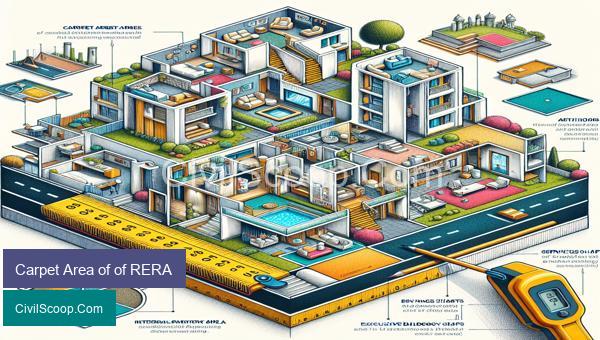
The Real Estate (Regulation and Development) Act, also known as RERA, was introduced in India in 2016 to regulate the real estate sector and protect the interests of home buyers. As part of this act, a concept known as “Carpet Area” was introduced to bring transparency and accountability in the sale of properties.
Carpet Area refers to the actual usable area of an apartment or house that does not include the thickness of the inner walls. It is the area within the walls of a residential unit that can be covered by a carpet or rug. The calculation of carpet area includes the area of balconies, attached or shared rooms, and other covered areas within the walls of the unit.
The RERA act mandates that all real estate developers must mention the carpet area in their advertisements, brochures, and registration documents. This ensures that home buyers are aware of the actual usable space they will be getting in their property.
Before the implementation of RERA, developers used to manipulate the saleable area and advertise it as the super built-up area, which also includes the common areas such as staircases, lobbies, and balconies. This led to confusion and misrepresentation of the actual size of the property. However, with the introduction of carpet area, home buyers can now compare the usable area of different properties accurately and make an informed decision.
Moreover, RERA also encourages developers to sell properties on a carpet area basis, which means they cannot charge buyers for super built-up or common areas. This has made the pricing of properties more transparent and fair, as home buyers only pay for the area they are going to use.
Carpet area also plays a significant role in determining the maintenance charges for a property. As per RERA guidelines, maintenance charges can only be levied on the basis of the carpet area. This ensures that home buyers are not overcharged for a larger built-up area, which they may not have access to or use.
In conclusion, the concept of Carpet Area in RERA has brought much-needed clarity and transparency in the real estate sector. It has given home buyers the assurance of the actual usable area they will be getting in a property and has protected them from unfair pricing and manipulation by developers. As a civil engineer, it is my responsibility to ensure that all projects comply with RERA guidelines and accurately display the carpet area to maintain integrity and trust in the real estate industry.
Conclusion
In conclusion, the Real Estate (Regulation and Development) Act, or RERA, is a landmark legislation that aims to regulate the real estate sector and protect the interests of homebuyers. It has brought about significant changes in the industry by ensuring transparency, accountability, and timely completion of projects. It is important for buyers, developers, and real estate agents to understand the key provisions and implications of RERA to make informed decisions. With strict penalties for non-compliance, RERA has the potential to revolutionize the real estate market in India and improve the overall buying experience for consumers. As this act continues to be enforced and expanded, it is crucial for all stakeholders to stay updated and comply with its regulations for a more transparent and trust-worthy