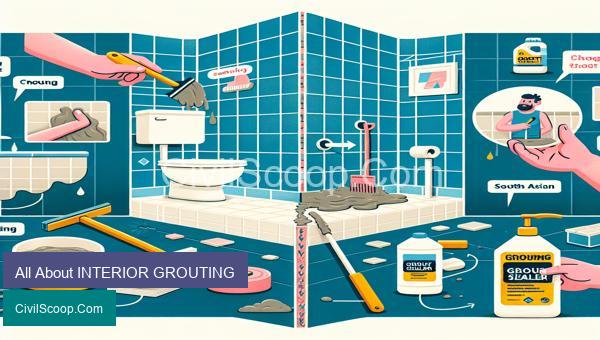
Interior grouting may seem like a simple task, but it plays a significant role in the long-term appearance and functionality of surfaces in the home. Whether you’re installing new tile in your kitchen backsplash or renovating your bathroom, understanding the ins and outs of interior grouting is crucial to achieving a polished and durable finish. In this article, we will delve into all aspects of interior grouting, including different types, methods of application, and tips for maintenance. By the end, you’ll have a comprehensive understanding of this essential process and the knowledge to transform your home’s interior with a professional touch. So let’s dive into the wonderful world of interior grouting.
Table of Contents
INTERIOR GROUTING
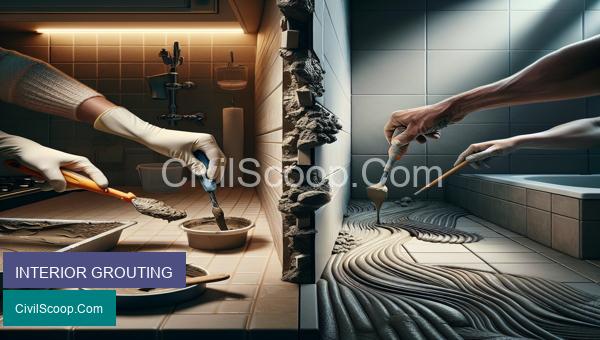
Interior grouting is a crucial aspect of civil engineering, particularly in construction and maintenance of structures such as buildings, tunnels, and bridges. It involves the filling of cavities, cracks, and voids with a cementitious material known as grout to improve structural integrity and prevent water seepage.
The primary purpose of interior grouting is to reinforce and stabilize damaged structural elements. This could be due to a variety of reasons such as settling, soil erosion, or seismic activity. Grout is typically injected into the affected areas under pressure, allowing it to flow and fill the voids completely. It then hardens, forming a solid and durable bond with the surrounding material.
There are various types of grouting techniques used in interior grouting, including compaction grouting, hydrophobic grouting, and chemical grouting. Compaction grouting involves the use of low-slump grout that is injected at high pressure to compact and densify the soil mass, stabilizing structures such as foundations and retaining walls. In hydrophobic grouting, a water-repelling grout is used to seal off moisture and prevent water from seeping through cracks or joints. Chemical grouting, on the other hand, involves using chemical compounds to solidify and strengthen the soil, making it suitable for excavation and construction projects.
One of the main benefits of interior grouting is its ability to extend the lifespan of structures. By reinforcing and stabilizing the affected areas, grouting can prevent further damage and deterioration, ultimately saving time and money on future repairs. It also helps improve the load-bearing capacity of structures, allowing them to withstand heavier loads and maintain their structural integrity.
In addition to structural benefits, interior grouting also has functional advantages. It can improve water-tightness, reduce air infiltration, and increase the thermal efficiency of buildings by filling cracks and gaps that can lead to energy wastage. This is particularly important for structures located in extreme weather conditions.
It is essential to note that proper execution and quality control are crucial for the success of interior grouting projects. Improper grouting can result in further damage or even failure of structures. Therefore, it is advisable to hire experienced and skilled professionals for interior grouting work.
In conclusion, interior grouting is a vital process in civil engineering that ensures the stability, durability, and functionality of structures. It plays a significant role in maintaining and extending the lifespan of buildings and other infrastructure, making it a crucial aspect of construction and maintenance projects.
Conclusion
In conclusion, interior grouting is an essential aspect of any home renovation project. It not only provides a clean and finished look but also contributes to the structural integrity of the building. By understanding the different types of grout, application techniques, and proper maintenance, homeowners can achieve beautiful and long-lasting results. Additionally, consulting with a professional grouting expert can ensure a successful and efficient grout installation. With the right knowledge and approach, interior grouting can greatly enhance the overall aesthetic and functionality of any interior space. So, whether you are planning a small bathroom renovation or a major home remodel, make sure to give proper attention to the grouting details for a flawless and durable finish.