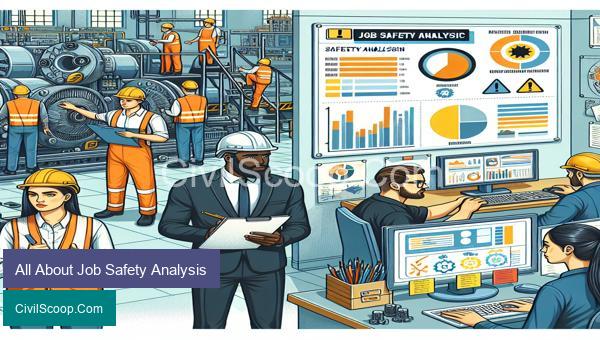
With the rise in workplace accidents and injuries, companies are increasingly recognizing the importance of job safety analysis (JSA). This systematic process of identifying and addressing potential hazards in the workplace is essential in ensuring the safety and well-being of employees. Through a thorough analysis of each task and its associated risks, companies can develop effective safety protocols and procedures that prevent accidents and improve overall workplace safety. In this article, we will delve into the concept of job safety analysis and how it can be implemented to create a safe and healthy working environment for all.
Table of Contents
What is Job Safety Analysis (JSA) ?
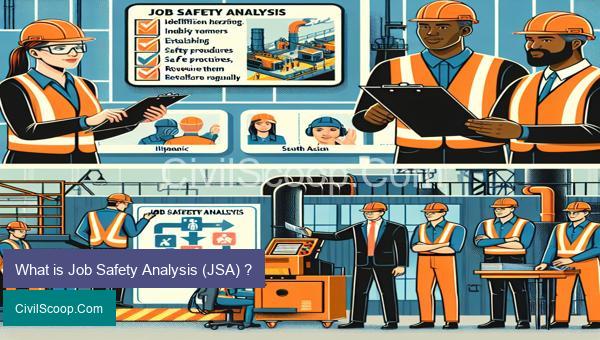
Job Safety Analysis (JSA) is a systematic procedure used to identify potential hazards and evaluate risks associated with a particular job or task. It is a proactive approach to identify and prevent workplace accidents, injuries, and illnesses.
JSA is typically performed before a job or task is undertaken and involves breaking down the entire job into steps, analyzing each step, and identifying potential hazards and risks associated with each step. This process is done by a team, comprising of employees, supervisors, and safety professionals, who have extensive knowledge and experience in the tasks being analyzed.
The primary goal of JSA is to identify hazards that could potentially harm workers and to develop controls or procedures to prevent or minimize these hazards. It is an essential tool for promoting safety in the workplace and protecting the health of employees.
The JSA process involves five main steps:
1. Job Selection: The first step in JSA is to select the job or task to be analyzed. This can be a new job, an existing job, or a job that has recently caused accidents or injuries.
2. Breakdown of the Job: The next step is to break down the job or task into smaller steps. This helps in analyzing and understanding the job better.
3. Identify Hazards: The team then identifies potential hazards associated with each step of the job. These hazards can include physical, chemical, biological, ergonomic, and environmental factors that could cause harm to employees.
4. Risk Assessment: The identified hazards are then evaluated to determine the level of risk associated with each of them. Risk assessment helps in prioritizing hazards and identifying the most critical ones.
5. Develop Controls: The final step in JSA is to develop controls or measures to eliminate, minimize, or control the identified hazards. These controls include implementing safe work procedures, using personal protective equipment, and providing employee training.
The benefits of conducting a JSA are numerous, including reducing workplace accidents, improving the overall safety culture, enhancing employee engagement, and minimizing financial losses due to accidents and injuries. It also helps in complying with local and federal safety regulations.
In conclusion, Job Safety Analysis is a crucial process in ensuring the safety and well-being of employees in the workplace. It provides a structured approach to identify and eliminate hazards, making the work environment safer for everyone. As a civil engineer, it is essential to conduct JSA before undertaking any new tasks or projects to promote a safe and healthy work environment.
Job Safety Analysis in Construction Projects
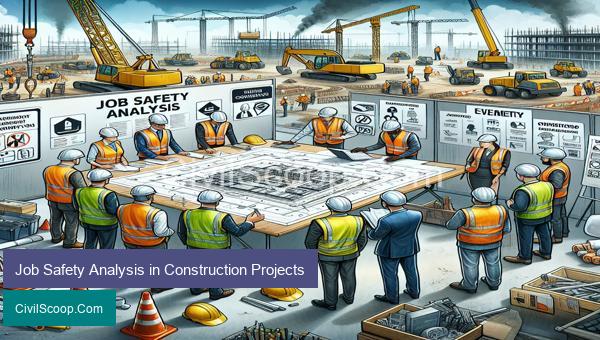
Job Safety Analysis (JSA) is a procedure used by construction companies to identify and control hazards associated with specific tasks or jobs on construction sites. This process evaluates every step of a job and identifies potential risks that could result in injury to workers or damage to property. JSA plays an essential role in ensuring the safety of workers and the successful completion of construction projects.
The JSA process involves breaking down a task into smaller steps and identifying the potential hazards associated with each step. This allows construction companies to develop appropriate control measures to eliminate, minimize, or manage these hazards. The following are the key steps involved in conducting a Job Safety Analysis in construction projects:
1. Job Identification: The first step in JSA is to identify the job or task to be analyzed. This could be any activity, such as excavation, concrete pouring, welding, or scaffolding installation.
2. Task Breakdown: The next step is to break down the job into smaller, manageable tasks. This helps in identifying potential hazards associated with each step.
3. Hazard Identification: Once the tasks are identified, the next step is to identify potential hazards associated with each task. Hazards can be physical, such as working at heights, or chemical, such as exposure to harmful substances.
4. Risk Assessment: After identifying the hazards, the next step is to evaluate their severity and likelihood. This process helps in prioritizing hazards based on their potential to cause harm to workers.
5. Control Measures: Based on the risk assessment, control measures are implemented to eliminate or minimize the identified hazards. Control measures can include engineering controls, administrative controls, personal protective equipment, or a combination of these.
6. Safe Work Procedures: The JSA process also involves the development of safe work procedures for each task. These procedures detail the necessary steps and safety precautions to be taken by workers to complete the job safely.
7. Training and Communication: It is essential to train workers on the safe work procedures developed through JSA. This helps ensure that everyone on the construction site is aware of the potential hazards and the necessary measures to mitigate them.
8. Review and Update: JSA should be regularly reviewed and updated to account for any changes in the job or work conditions. This ensures that the safety measures in place are current and effective in preventing accidents.
The benefits of conducting a Job Safety Analysis in construction projects are numerous. It helps in reducing workplace injuries, improving productivity, and ensuring compliance with regulatory requirements. It also promotes a safety culture within the company, where workers are more aware and proactive in identifying potential hazards on the job.
In conclusion, Job Safety Analysis is a crucial process in the construction industry to identify and control hazards in the workplace. It helps in ensuring the safety of workers and the successful completion of construction projects. Implementing JSA can significantly reduce workplace accidents and improve overall project performance, making it an integral part of any construction project.
What activities require a Job Safety Analysis?
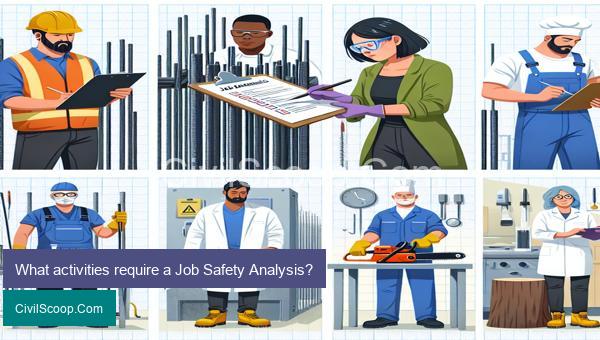
A Job Safety Analysis (JSA) is a process that assesses potential hazards and risks associated with specific job tasks and identifies proper safety procedures to ensure the safety of employees. As a civil engineer, there are many activities and tasks that require a JSA to be conducted to ensure the safety of workers and prevent accidents.
1. Construction Activities: Construction projects involve various tasks such as excavation, steel erection, welding, and scaffolding, which pose serious safety risks if not performed correctly. A JSA is necessary to evaluate the potential hazards and determine the appropriate safety measures to be taken before starting these activities.
2. Working at Heights: Civil engineers often work at heights, such as on bridge structures, tall buildings, or elevated platforms. This poses the risk of falls and other accidents. A JSA must be performed to identify and assess the risks associated with working at heights and to establish safety procedures such as fall protection systems and personal protective equipment (PPE).
3. Machine and Equipment Operation: Civil engineers use a variety of heavy machinery and equipment, including cranes, bulldozers, and excavators, in their daily tasks. Improper use or maintenance of these machines can result in serious accidents. A JSA is necessary to identify and address the potential hazards of using these machines and to establish safety protocols to prevent accidents.
4. Hazardous Material Handling: Civil engineers often deal with hazardous materials such as asbestos, lead, and chemical substances in their construction projects. A JSA is required to assess the potential health risks associated with handling these materials and to determine the necessary safety measures, including proper handling and disposal procedures and the use of appropriate PPE.
5. Road and Traffic Management: Civil engineers are often involved in road construction and maintenance projects that require them to work near or on busy roads. A JSA is crucial to identify potential risks and develop safety procedures for managing traffic and preventing accidents.
6. Underground Work: Civil engineers also work in confined spaces, such as tunnels and pipelines, which pose the risk of hazards such as cave-ins, toxic fumes, and oxygen deficiencies. A JSA is necessary to evaluate the risks and establish procedures for working safely in these environments.
7. Electrical Work: Civil engineering projects often involve electrical installations and wiring, which can be hazardous if not handled properly. A JSA must be conducted to assess the potential electrical hazards and to determine safety procedures regarding proper installation, grounding, and use of personal protective equipment.
In conclusion, as a civil engineer, it is essential to conduct a JSA before performing any job activity to ensure the safety of workers and prevent accidents. It is important to continuously review and update JSAs as the job tasks change or new hazards arise, to maintain a safe working environment for all employees.
Steps to create a Job Safety Analysis report
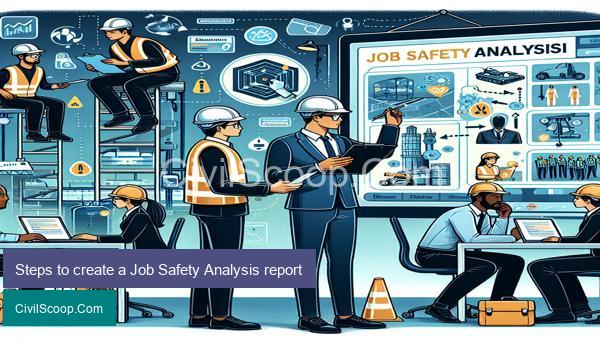
A Job Safety Analysis (JSA) report is an important tool in the field of civil engineering that helps identify potential hazards and risks associated with a particular job or task. It is a systematic approach to job safety and acts as a proactive measure to prevent accidents or injuries. Here are the steps to create a Job Safety Analysis report:
1. Select the Job: The first step in creating a JSA report is to select the job or task that needs to be analyzed. This could be a specific construction task, such as excavating a foundation or operating heavy machinery.
2. Identify the Steps Involved: Next, identify the various steps involved in completing the selected job. This could include equipment setup, material handling, and operating procedures.
3. List Potential Hazards: Once the steps are identified, the next step is to list all potential hazards associated with each step. This could include physical hazards like falls, electrical hazards, or chemical hazards.
4. Evaluate the Risk: After listing the hazards, evaluate the level of risk associated with each one. The risk level can be determined by the likelihood of the hazard occurring and the severity of its potential impact.
5. Develop Control Measures: Based on the evaluated risks, develop control measures to mitigate or eliminate them. These could include implementing safety protocols, using personal protective equipment (PPE), or redesigning the process.
6. Communicate and Train: Once the control measures are established, it is essential to communicate them to all workers involved in the job. Proper training must also be provided to ensure everyone understands and follows the safety protocols.
7. Review and Update: JSA reports should be reviewed regularly, especially when there are changes to the job or workplace conditions. Any new hazards must be identified, and control measures should be updated accordingly.
8. Keep Records: It is crucial to keep a record of the JSA reports for future reference. In case of an accident or incident, these reports can help in identifying the cause and implementing preventive measures.
Creating a comprehensive JSA report requires collaboration among all workers involved in the job, including managers, engineers, and workers. By following these steps and regularly reviewing and updating the report, it can effectively improve job safety and prevent accidents in civil engineering projects.
Benefits of Job Safety Analysis
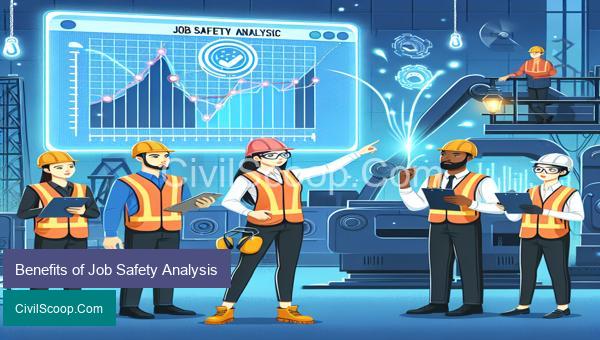
Job Safety Analysis (JSA), also known as Job Hazard Analysis (JHA), is a systematic approach to identifying and addressing potential hazards associated with specific tasks or jobs in the workplace. It involves breaking down a job into its individual steps and identifying potential hazards and risks for each step. This process has numerous benefits for both employees and employers.
1. Increases Workplace Safety: The primary benefit of JSA is that it helps increase workplace safety by identifying potential hazards and risks associated with a specific job. By breaking down a job into smaller steps, potential safety hazards such as falls, electrocution, and exposure to harmful substances can be identified and addressed before they occur.
2. Prevents Accidents and Injuries: By identifying potential hazards and risks, JSA can help prevent accidents and injuries in the workplace. By implementing safety measures and procedures to address the identified hazards, the chances of accidents and injuries occurring can be significantly reduced.
3. Improves Employee Awareness: JSA not only helps employers identify potential hazards, but it also helps employees become more aware of the hazards associated with their job. By involving employees in the JSA process, they become more knowledgeable about the potential hazards and risks related to their job and can take necessary precautions to avoid them.
4. Enhances Job Efficiency: JSA involves breaking down a job into its individual steps, which allows for a better understanding of the entire process. This understanding can lead to the elimination of unnecessary or redundant steps, making the job more efficient and increasing productivity.
5. Reduces Costs: By preventing accidents and injuries in the workplace, JSA can help reduce costs associated with medical bills, compensation, and lost productivity. This can be especially beneficial for small businesses with limited resources.
6. Better Compliance: JSA is a proactive approach to ensuring workplace safety and compliance with Occupational Safety and Health Administration (OSHA) regulations. By implementing JSA, employers can demonstrate their commitment to providing a safe working environment and avoiding potential fines or penalties for non-compliance.
7. Training and Development: JSA provides an opportunity for employees to receive training and development in identifying potential hazards and implementing safety procedures. This can help create a safety culture in the workplace, where employees are more proactive in identifying and addressing hazards.
In conclusion, Job Safety Analysis has numerous benefits for both employers and employees. By identifying and addressing potential hazards in the workplace, JSA helps improve workplace safety, prevents accidents and injuries, increases efficiency and productivity, and reduces costs. It is an essential tool for promoting a safe and healthy working environment.
Conclusion
In conclusion, implementing a Job Safety Analysis (JSA) is a crucial step towards ensuring a safe and healthy work environment for employees. By identifying potential hazards and outlining preventive measures, JSAs not only prevent workplace accidents but also increase productivity and improve overall job satisfaction. It is important for employers to regularly review and update JSAs to keep up with any changes in the workplace. Additionally, involving employees in the JSA process can lead to a more effective and collaborative safety culture. Overall, following the guidelines of JSA can greatly contribute to the success and well-being of any organization. Remember, safety should always be a top priority in the workplace.