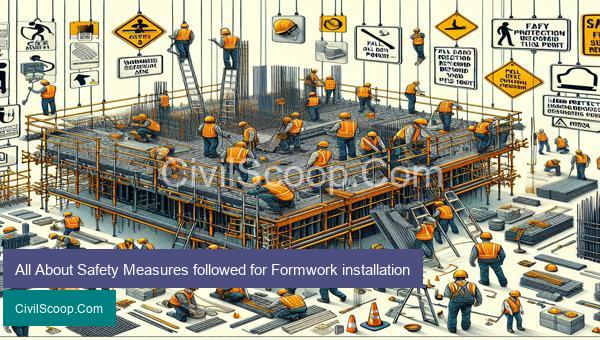
When it comes to construction projects, safety should always be a top priority. This is particularly true when it comes to formwork installation. Formwork refers to the temporary or permanent structures used to support concrete during the construction process. It plays a crucial role in ensuring the structural integrity and safety of a building. Therefore, it is essential to have proper safety measures in place during formwork installation to prevent accidents and injuries. In this article, we will explore the various safety measures that are followed for formwork installation to ensure a successful and secure construction process.
Table of Contents
What are the Safety Measures followed for Formwork installation?
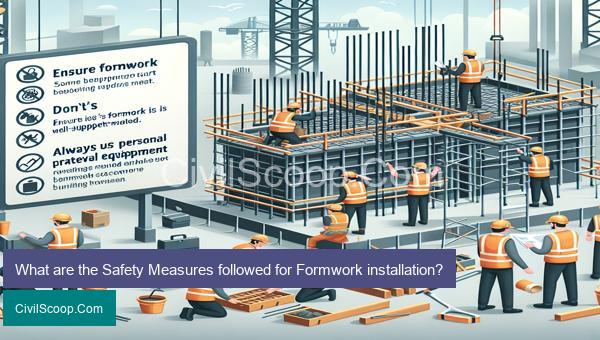
Formwork is an essential temporary structure used in civil engineering projects for casting concrete elements such as slabs, walls, columns, and beams. It provides the necessary support and shape for the concrete until it hardens and gains its strength. It is crucial to follow safety measures during formwork installation to ensure the safety of construction workers and the quality of the structure. In this article, we will discuss the various safety measures that are followed for formwork installation.
1. Proper training and supervision: The first step towards ensuring safety during formwork installation is to provide proper training to the workers. They should be aware of the different types of formwork systems and their proper installation methods. Moreover, they should also be aware of the potential risks involved in formwork installation and how to mitigate them. It is also essential to have a qualified supervisor who can monitor the installation process and intervene if necessary.
2. Selection of appropriate formwork system: There are different types of formwork systems available in the market. The selection of the formwork system should be based on factors such as project requirements, site conditions, and the type of structure to be cast. The chosen formwork system should be able to withstand the weight of the concrete, provide adequate support, and be easy to assemble and dismantle. Using the wrong formwork system can lead to accidents and compromise the quality of the structure.
3. Inspection of formwork components: Before starting the installation process, all the formwork components should be inspected for any damages or defects. The components should be free from any cracks, rust, or deformation that might affect their load-bearing capacity. Damaged components should be immediately replaced to avoid any accidents during installation.
4. Adequate bracing and shoring: Bracing and shoring are used to support the formwork and prevent it from collapsing. It is essential to provide adequate bracing and shoring at regular intervals to ensure the stability of the formwork. The bracing and shoring should be installed as per the manufacturer’s recommendations and regularly checked for any structural issues.
5. Checking for proper alignment and leveling: The formwork should be properly aligned and leveled to ensure the accurate placement of concrete. Misaligned and unleveled formwork can lead to structural defects, resulting in the collapse of the formwork and injuries to the workers. The use of leveling equipment and laser levels can help in achieving proper alignment and leveling of the formwork.
6. Use of safety equipment: It is crucial to provide personal protective equipment (PPE) such as hard hats, safety glasses, and gloves to the workers during formwork installation. PPE helps in protecting the workers from potential hazards such as falling objects, tool injuries, and exposure to chemicals. It is also essential to have a first aid kit readily available at the site to provide immediate medical attention in case of any injuries.
7. Regular monitoring and maintenance: The formwork should be regularly monitored and maintained throughout the construction process. Any changes in site conditions, such as heavy rain or strong winds, can affect the stability of the formwork. Regular inspections should be carried out, and necessary repairs and adjustments should be made to ensure the safety of the workers and the quality of the structure.
In conclusion, safety should be the top priority during formwork installation. Proper training, use of appropriate formwork systems, regular inspections, and use of safety equipment are some of the key measures that can help in ensuring the safety of workers and the structural integrity of the formwork
Safety measures for formwork installation
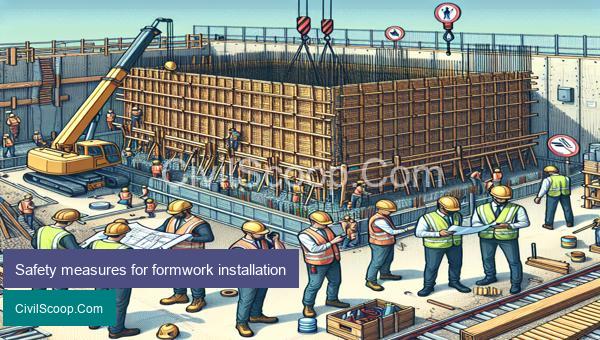
Formwork is a temporary structure used to support and mold concrete during construction. It is crucial to ensure safety measures are in place when installing formwork to protect workers from potential hazards. The following are some safety measures that should be observed during formwork installation.
1. Proper Planning and Designing: The planning and designing stage is crucial in ensuring the safety of the formwork installation. The formwork system should be designed and fabricated by a qualified engineer, and the installation process should be carefully planned to avoid any structural failures or collapse.
2. Proper Training and Qualification: Only trained and qualified workers should be assigned to install the formwork. They should have knowledge of the formwork system, its components, and proper installation techniques to ensure safety.
3. Inspecting Materials: Before installation, all formwork components should be thoroughly inspected to ensure they are not damaged, cracked, or overloaded. Damaged parts should be repaired, and any faulty materials should be replaced to avoid accidents during installation.
4. Proper Handling and Storage: Formwork components should be handled with care and stored appropriately to avoid damage. Overloading, dropping, or mishandling of formwork materials can lead to accidents and affect the structural integrity of the formwork system.
5. Use Bracing and Ties: Bracing and ties are essential components of formwork systems that provide stability and prevent the structure from collapsing. They should be installed in the correct position and tensioned properly to withstand the load of the concrete and the formwork itself.
6. Properly Secure Formwork: The formwork should be securely fixed to prevent any movement during the concrete pouring process. This helps to ensure that the formwork can withstand the weight of the concrete and does not collapse.
7. Use Personal Protective Equipment (PPE): Workers involved in formwork installation should wear the appropriate PPE such as hard hats, safety boots, high visibility vests, and gloves to protect themselves from potential hazards.
8. Regular Inspection: Regular inspections should be carried out during the formwork installation to identify any defects or signs of failure. Any issues should be addressed immediately to prevent accidents and ensure the safety of workers.
9. Monitor Weather Conditions: Extreme weather conditions such as wind, rain, and lightning can affect formwork stability and can lead to accidents. It is vital to monitor weather conditions and take necessary precautions before and during formwork installation.
10. Adequate Lighting and Access: Proper lighting should be provided at the workplace to ensure that workers can safely carry out the installation process. Also, sufficient access and working platforms should be available for workers to access different areas of the formwork safely.
In conclusion, ensuring safety during formwork installation is crucial to avoid accidents and injuries. It is the responsibility of the project manager and the workers to follow the recommended safety measures to protect themselves and ensure the stability of the structure.
Conclusion
In conclusion, it is vital to prioritize safety measures when it comes to formwork installation. By following proper protocols and guidelines, we can prevent accidents and ensure the well-being of workers and the success of the project. From proper training and education to using high-quality equipment and conducting regular inspections, each step is crucial in maintaining a safe worksite. It is also the responsibility of all parties involved to communicate effectively and cooperate in implementing safety measures. By working together, we can achieve an efficient and secure formwork installation process while keeping everyone involved safe. Let us continue to prioritize safety and build a safer construction industry for the future.