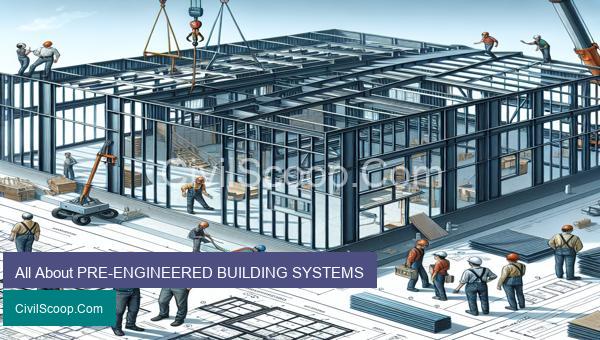
Pre-engineered building systems have revolutionized the construction industry by providing efficient and cost-effective options for various building projects. These systems, also known as PEBs, involve the designing, fabrication, and installation of structural components in a controlled manufacturing environment, before being transported to the construction site for assembly. With their numerous advantages, including durability, flexibility, and sustainability, PEBs have gained popularity across the globe. In this article, we will delve into the different aspects of pre-engineered building systems and explore why they have become the preferred choice for many builders and developers.
Table of Contents
ADVANTAGES OF PRE-ENGINEERED BUILDING SYSTEMS
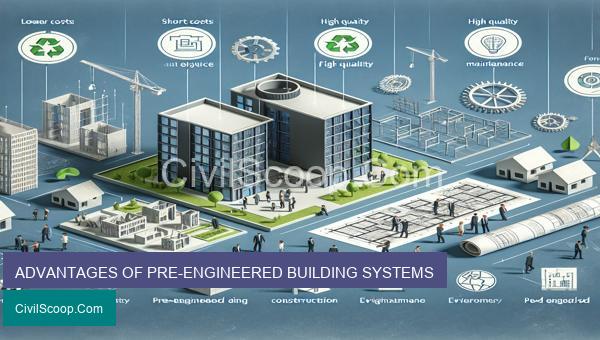
Pre-engineered building systems (PEBS) have gained popularity in the construction industry due to their many advantages over traditional building methods. These systems involve the use of pre-fabricated components designed, engineered, and assembled in a factory and then transported to the construction site for quick and efficient installation. Here are some of the key advantages of pre-engineered building systems:
1. Cost-effective: One of the main advantages of PEBS is their cost-effectiveness. The use of pre-fabricated components reduces the construction timeline, labor costs, and material waste. Additionally, the pre-engineered design eliminates the need for on-site fabrication, which further lowers the overall construction cost.
2. Speed of construction: As pre-engineered building systems involve the use of pre-fabricated components, they can be quickly assembled and installed at the construction site. This greatly reduces the construction time compared to traditional building methods, making it an ideal option for projects with tight deadlines.
3. Flexibility in design: Despite their pre-designed and pre-fabricated components, PEBS offer a lot of flexibility in terms of design. These systems can be customized to meet specific design requirements and can easily accommodate future expansions or alterations.
4. Quality control: Since the components of PEBS are engineered and fabricated in a controlled factory environment, they undergo rigorous quality control checks. This ensures that the materials used are of high quality and comply with industry standards, resulting in a more durable and reliable structure.
5. Energy efficient: Pre-engineered building systems are designed with energy efficiency in mind. They utilize materials that have high insulation properties, reducing the need for external heating and cooling systems. This results in lower energy costs for the building owner in the long run.
6. Durability: PEBS are known for their durability as they are made from high-quality materials that can withstand adverse weather conditions. The components are also corrosion-resistant, making them ideal for locations with high humidity or coastal areas.
7. Sustainability: With a growing focus on sustainable construction practices, pre-engineered building systems are gaining popularity as they use fewer raw materials compared to traditional construction methods. They also produce less waste, making them an environmentally-friendly choice.
8. Safety: Pre-engineered building systems are designed and fabricated in accordance with international safety standards, ensuring a safe and secure structure. The components are also lightweight, making them easier to handle during installation, reducing the risk of accidents on the construction site.
In conclusion, pre-engineered building systems offer numerous advantages that make them a preferred choice for various construction projects. They offer cost and time savings, flexibility in design, high quality and durability, energy efficiency, and sustainability, making them a smart choice for any construction project.
Conclusion
In conclusion, pre-engineered building systems are one of the most modern and efficient methods of construction. They offer numerous advantages such as cost-effectiveness, speed of construction, flexibility in design, and sustainability. With a faster and simpler construction process, these systems are gaining popularity in various industries and have proven to be a reliable choice for building owners. As technology advances, pre-engineered building systems continue to evolve, providing even more benefits. It is clear that these systems are a game-changer in the construction industry and will continue to play a significant role in shaping the future of building construction.