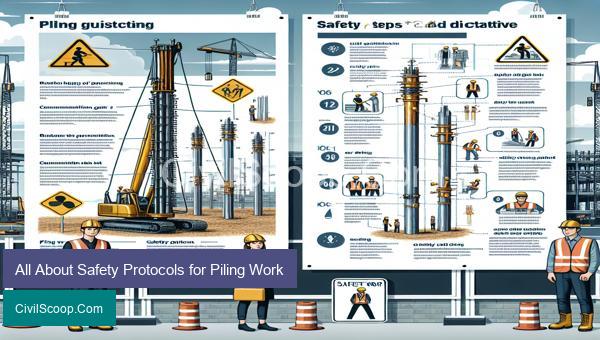
Piling work is an important process in the construction industry, used to create a strong foundation for buildings and structures. However, it also comes with various risks and hazards that require thorough safety protocols to be implemented. As such, it is crucial for construction workers and project managers to have a comprehensive understanding of safety protocols for piling work in order to ensure the safety of workers and the successful completion of projects. In this article, we will delve into the various safety protocols that must be followed during piling work, providing valuable insights and information for those involved in this critical aspect of construction.
Table of Contents
What are the Safety Protocols for Piling Work?
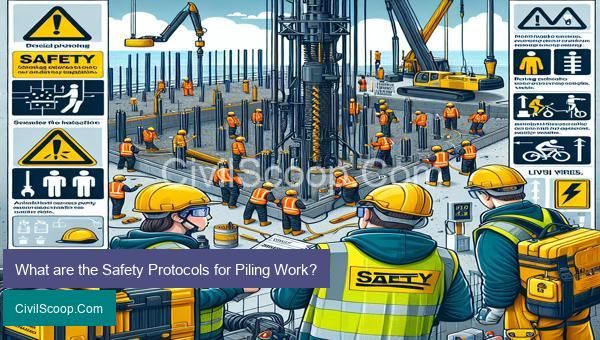
Piling is a process that involves driving piles into the ground to provide foundation support for various structures such as buildings, bridges, and highways. It is crucial that safety protocols are followed during piling work to ensure the safety of workers, surrounding structures, and the general public. In this article, we will discuss the various safety protocols that should be followed during piling work.
1. Pre-Construction Safety Measures:
Before starting any piling work, it is essential to conduct a site survey and gather information about the site’s soil type, underground utilities, and potential hazards. If the site is near an existing structure or public road, proper permission must be obtained from the relevant authorities. The piling contractor should also ensure that all necessary resources, including equipment and safety gear, are available and in good working condition.
2. Adequate Training and Supervision:
Proper training and supervision are crucial for ensuring the safety of workers during piling work. All workers involved in the piling process must have the necessary training and experience to operate the equipment and follow safety protocols. The site supervisor should monitor the work closely and take corrective actions to prevent any potential accidents.
3. Personal Protective Equipment (PPE):
Workers involved in piling work should wear appropriate personal protective equipment (PPE) at all times. This includes hard hats, steel-toed boots, high-visibility vests, and ear protection. In some cases, depending on the type of piling work, additional PPE such as eye protection, respiratory protection, and fall protection may also be required.
4. Control of Noise and Vibration:
Piling work produces a significant amount of noise and vibrations, which can be hazardous to workers and nearby structures. To minimize the risk, noise levels should be monitored and controlled. Workers should also be rotated to avoid prolonged exposure to high noise levels. Vibration levels should also be monitored, and measures should be taken to reduce them if necessary.
5. Traffic and Public Safety:
If the piling work is located in a high traffic area, adequate traffic control measures should be implemented to ensure the safety of workers and the public. This may include barricades, warning signs, and flag persons to direct traffic. Work should be scheduled during off-peak hours, if possible, to reduce the risk of accidents involving vehicles.
6. Use of Proper Equipment:
Using the right equipment is essential for safe and efficient piling work. All equipment should be inspected and maintained regularly to ensure they are in good working condition. Operators should also be trained to operate the equipment safely and follow all safety protocols.
7. Monitoring of Site Conditions:
During piling work, it is vital to monitor the site conditions continuously. Any changes in soil or groundwater levels should be reported immediately, and appropriate measures should be taken to prevent accidents. The stability of the surrounding structures must also be monitored to ensure their safety.
8. Emergency Response Plan:
An emergency response plan should be in place in case of any accidents or emergencies during piling work. This plan should include procedures for evacuating workers, contacting emergency services, and managing the situation until help arrives.
In conclusion, following proper safety protocols during piling work not only ensures the safety of workers but also prevents accidents that can cause damage to surrounding structures and the environment. As with any construction project, it is crucial to prioritize safety to avoid any potential hazards and promote a safe work environment.
1. Safety Program
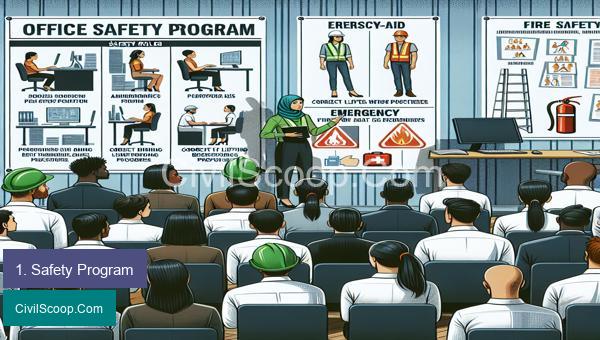
A safety program in civil engineering is a vital aspect of any construction project. It is a series of procedures and policies designed to create a safe and healthy work environment for all workers and stakeholders involved in the project. This program is put in place to prevent accidents, injuries, and fatalities on construction sites and to comply with safety regulations and laws.
The following are some key components that form a strong safety program in civil engineering:
1. Risk Assessment: The first step in creating a safety program is to conduct a thorough risk assessment of the construction site. This involves identifying potential hazards and evaluating the likelihood and severity of the risks. The results of this assessment will help in developing specific safety measures for each hazard.
2. Safety Policies and Procedures: A set of written safety policies and procedures should be established to guide the actions of workers on the construction site. These policies should cover a wide range of topics including personal protective equipment (PPE), equipment usage, emergency procedures, and hazard communication.
3. Training and Education: It is essential to provide adequate training and education to all workers on the construction site. This includes safety training on the use of equipment and machinery, as well as general safety awareness. Regular training sessions should be conducted to reinforce safety practices and address any new safety concerns that may arise.
4. Site-specific Safety Plan: Each construction site is unique and may have different safety hazards. Therefore, a site-specific safety plan should be developed that takes into consideration the specific risks and hazards present on the site. This plan should be regularly reviewed and updated as needed.
5. Supervision and Communication: Adequate supervision should be in place to monitor workers and ensure that safety protocols are being followed. There should also be an open line of communication between workers, supervisors, and management to report any safety concerns and facilitate prompt action.
6. Personal Protective Equipment (PPE): The use of PPE such as hard hats, safety glasses, gloves, and steel-toe boots is essential on construction sites. It is the responsibility of the employer to provide appropriate PPE and ensure that workers use it correctly.
7. Regular Inspections and Reviews: Regular safety inspections should be carried out to identify any potential hazards or safety violations. The results of these inspections should be thoroughly reviewed, and any necessary corrective measures should be taken promptly.
8. Emergency Response Plan: An emergency response plan should be in place to handle any unforeseen accidents or incidents on the construction site. This plan should include procedures for evacuations, first aid, and contacting emergency services.
In conclusion, a comprehensive safety program is crucial for the success of any construction project. It not only protects the workers from harm but also helps to minimize downtime, avoid costly lawsuits, and maintain a good reputation for the construction company. By implementing and following a well-developed safety program, civil engineers can ensure a safe and healthy work environment for everyone involved in the project.
2. Piling Rig Safety
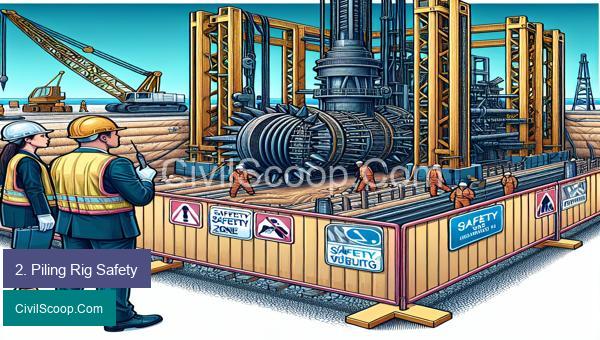
Piling rigs are heavy machinery used in the construction of deep foundations, such as piles and drilled shafts. They play a crucial role in the stability and safety of structures, making it essential to prioritize piling rig safety in any construction project. Here are some important guidelines to ensure the safe operation of piling rigs.
1. Proper Training:
Before operating a piling rig, it is crucial to receive proper training and certification to understand the equipment’s capabilities and potential hazards. The operators should also have a thorough understanding of the safety protocols and emergency procedures.
2. Routine Inspections:
Regular inspections of the piling rig are critical to identify any potential hazards and address them promptly. These inspections should be conducted by trained professionals and include checking the machinery’s hydraulic and electrical systems, as well as the overall structural integrity of the rig.
3. Personal Protective Equipment (PPE):
Wearing appropriate PPE is essential for operators and workers in the vicinity of piling rigs. This includes hard hats, steel-toed boots, high visibility clothing, and ear protection to minimize exposure to loud noise.
4. Crane Safety:
Piling rigs operate using a crane to hoist heavy materials and equipment, making it crucial to ensure the crane’s safety. The crane should be set up on a stable and level surface, and the operator should follow all safety protocols while operating it.
5. Ground Stability:
Piling rigs exert significant pressure on the ground while drilling, making it essential to conduct geotechnical surveys to assess the ground’s stability. The survey results should inform the selection of the appropriate piling rig and its operating parameters.
6. Proper Positioning:
Piling rigs should be positioned on stable and level ground to prevent any accidents due to sinking or shifting. The surrounding area should also be clear of any obstacles to avoid collisions or damages.
7. Adequate Supervision:
A qualified engineer or supervisor should always oversee the operation of piling rigs to ensure that all safety protocols are being followed. This also includes maintaining a safe distance from the rig while in operation.
8. Emergency Preparedness:
In the event of an emergency, such as equipment failure or an unexpected collapse of the piling rig, there should be a clear plan in place for evacuation and emergency response. This plan should be communicated to all workers involved in the project.
In conclusion, piling rig safety is crucial for the success of any construction project. It is the responsibility of everyone involved to ensure that all safety protocols are followed to minimize the risk of accidents and injuries. Regular training, inspections, and monitoring, along with proper PPE and emergency preparedness, are key elements in ensuring the safe operation of piling rigs. By implementing these guidelines, we can ensure the safety of workers and the surrounding community while constructing robust and stable structures.
3. Safety Precaution during Operation of Equipment
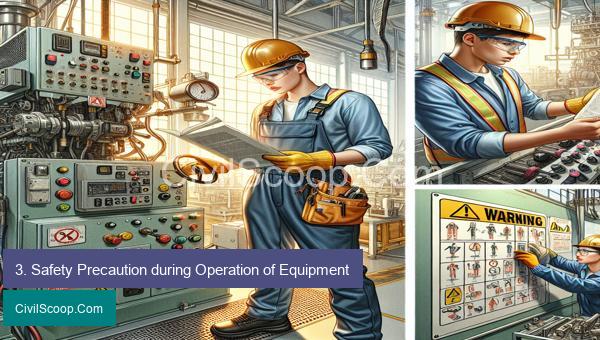
Safety precautions are critical in any engineering project, and this is especially true during the operation of equipment. As a civil engineer, it is your responsibility to ensure that all equipment is operated safely to prevent any accidents or injuries. Here are three important safety precautions to follow during equipment operation:
1. Conduct thorough inspections before operation
Before starting any equipment, it is crucial to conduct a thorough inspection to ensure that the equipment is in good working condition. This includes checking for any damage or malfunctioning parts, ensuring all safety features are functioning correctly, and checking any warning lights or alarms. If any issues are detected, the equipment should not be operated until they are resolved.
2. Proper training and certification of operators
Only trained and certified individuals should be allowed to operate equipment. It is the responsibility of the civil engineer to provide the necessary training and ensure that all operators are knowledgeable about the equipment they will be operating. Operators should also receive regular refresher training and be familiar with all safety protocols and procedures.
3. Use appropriate personal protective equipment (PPE)
The use of appropriate personal protective equipment (PPE) is essential during equipment operation. The type of PPE required will vary depending on the equipment and the specific task being performed. However, some essential PPE for equipment operation may include hard hats, high-visibility vests, safety goggles, ear protection, and steel-toed boots. It is the responsibility of the civil engineer to ensure that all operators are wearing the appropriate PPE at all times.
In addition to these three main safety precautions, there are also other general safety measures that should be followed during equipment operation. These include:
- Never operating equipment under the influence of drugs or alcohol.
- Avoiding any distractions while operating equipment, such as using mobile phones.
- Being aware of surroundings and potential hazards, such as overhead power lines or unstable ground.
- Following all manufacturer’s instructions and safety guidelines for the equipment.
- Implementing a regular maintenance and inspection schedule for all equipment.
In conclusion, safety precautions during equipment operation are crucial for the well-being of operators, as well as the success of any engineering project. As a civil engineer, it is your responsibility to ensure that all equipment is operated safely and that strict safety protocols are followed at all times. By following these precautions, you can help prevent accidents and injuries and ensure the smooth and efficient operation of equipment in any project.
Conclusion
In conclusion, safety protocols for piling work are crucial for the protection of workers, the environment, and the overall success of a construction project. By following proper procedures, using appropriate equipment, and constantly monitoring and assessing potential risks, accidents can be prevented and the project can be completed safely and efficiently. It is the responsibility of all parties involved, including contractors, engineers, and site managers, to prioritize safety in piling work. By implementing and strictly adhering to safety protocols, we can ensure the well-being of everyone involved in the project and promote a culture of safety in the construction industry. Remember, when it comes to piling work, safety should always be the top priority.