
Earthquakes are a natural disaster that pose a significant threat to our built environment, especially small buildings. These structures are crucial for providing shelter, housing, and commercial spaces for millions of people worldwide. However, they are often highly vulnerable to the destructive forces of earthquakes, causing widespread damage, loss of life, and economic losses. Therefore, understanding and implementing earthquake resistance measures in small buildings is of utmost importance. This article aims to explore all aspects of earthquake resistance for small buildings, including construction techniques, building codes, and innovative technologies to mitigate the impact of earthquakes on these structures.
Table of Contents
IMPROVING EARTHQUAKE RESISTANCE OF SMALL BUILDINGS
Earthquakes are a natural disaster that can cause devastating damage to buildings and infrastructure. As a civil engineer, it is our responsibility to design structures that can withstand the forces of an earthquake and keep people safe. While large or high-rise buildings receive a lot of attention and research in terms of earthquake resistance, it is also important to focus on improving the earthquake resistance of small buildings, which are the most common type of structures in many communities.
Small buildings, such as single-family homes, low-rise apartments, and small commercial buildings, are often constructed with less stringent building codes and lower quality materials compared to larger structures. This makes them more vulnerable to earthquakes, especially in areas with high seismic activity. Therefore, it is crucial to take steps to improve their earthquake resistance.
Here are some ways to improve the earthquake resistance of small buildings:
1. Use Earthquake-Resistant Materials: The materials used in construction play a crucial role in the earthquake resistance of a building. For small buildings, it is recommended to use materials such as reinforced concrete, steel, and wood, which have proven to be more resistant to earthquakes. These materials have the ability to flex and bend without breaking, which can help absorb the seismic forces.
2. Strengthen Weak Points: Small buildings tend to have weak points such as corners, openings, and joints. These areas are more vulnerable to collapse during an earthquake. It is important to identify these weak points and reinforce them with additional materials or techniques to improve their earthquake resistance. For example, reinforcing the corners with steel bars can significantly strengthen the building.
3. Properly Connect the Structure: Properly connecting all the components of a building is crucial for its earthquake resistance. This includes connecting the walls, floors, and roof to the foundation with appropriate angles and materials. In small buildings, the connections are often overlooked, leading to failure during an earthquake. Ensuring proper connections can greatly improve the structural integrity of a small building.
4. Consider the Foundation: The foundation is the base of any structure and plays a vital role in its stability during an earthquake. For small buildings, it is important to ensure that the foundation is strong and properly designed to withstand the seismic forces. Options such as using a concrete belt around the foundation or adding reinforcement bars can improve the foundation’s earthquake resistance.
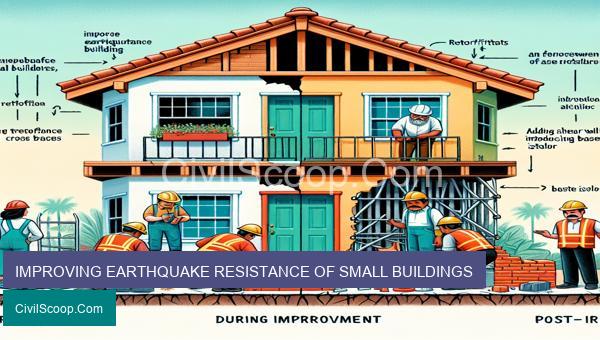
5. Retrofit Existing Structures: In many communities, there are plenty of existing small buildings that were built before the implementation of modern building codes. These buildings may not have been designed to resist earthquakes and are at a higher risk of collapse during a seismic event. Retrofitting these buildings with earthquake-resistant techniques and materials can significantly improve their ability to withstand earthquakes.
6. Educate the Community: In addition to physical improvements, educating the community on earthquake preparedness and safety measures can play a significant role in reducing the impact of an earthquake. Simple measures such as securing heavy furniture, having an emergency kit, and creating a family evacuation plan can save lives during an earthquake.
In conclusion, small buildings may seem insignificant in the face of a natural disaster like an earthquake, but they play a crucial role in the safety and stability of communities. As civil engineers, it is our responsibility to design and implement measures that can improve their earthquake resistance and protect the lives of people living in them. By using appropriate materials, strengthening weak points, properly connecting the structure and foundation, and educating the community, we can make significant progress in creating more earthquake-resistant small buildings.
Conclusion
In conclusion, it is evident that earthquake resistance is a crucial factor to consider when constructing small buildings. By implementing proper design and construction techniques, as well as using durable and flexible materials, these structures can withstand the damaging forces of earthquakes. It is important for both builders and homeowners to understand the potential risks and take measures to improve the earthquake resistance of small buildings. Regular inspections and maintenance are also essential in ensuring the safety and longevity of these structures. With proper precautions and preparation, we can reduce the devastating impacts of earthquakes on small buildings and create a more resilient built environment.