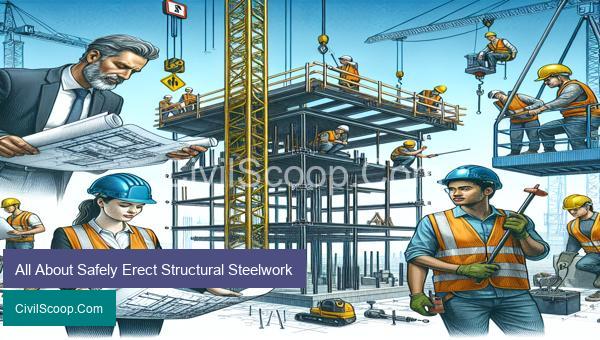
Structural steelwork is a vital component in the construction industry, providing the framework for buildings, bridges, and other structures. It is a versatile and durable material, but the process of erecting it requires careful planning and execution to ensure safety for workers and the public. In this article, we will delve into the important aspects of safely erecting structural steelwork, including the various hazards involved and the best practices to prevent accidents and ensure a successful and secure construction project. By understanding the key considerations and guidelines, construction professionals and workers can work together to safely and efficiently erect structural steelwork.
Table of Contents
How to Safely Erect Structural Steelwork?
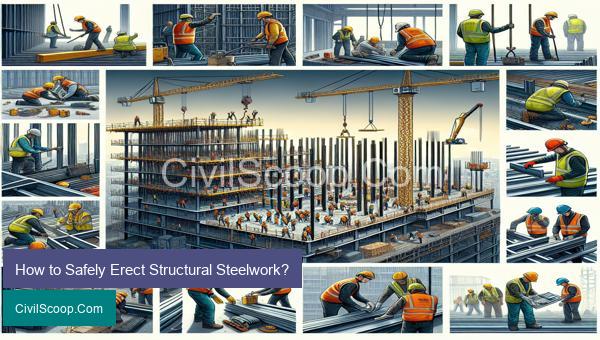
Erecting structural steelwork is a crucial part of the construction process in building large and complex structures such as skyscrapers, bridges, and industrial facilities. The safety of workers and the stability of the structure depend on the proper erection of steelwork. Here are some tips on how to safely erect structural steelwork.
1. Proper Planning and Design
Before the erection process begins, there should be proper planning and design in place. This includes a detailed construction sequence, erection plans, and calculations to determine the size and weight of each steel element. A thorough risk assessment and safety plan should also be developed to address any potential hazards.
2. Qualified and Trained Personnel
Erecting structural steelwork requires skilled and experienced workers who are trained in steel erection techniques and safety procedures. The team should include qualified engineers, riggers, and crane operators who are familiar with the specific type of steel structure being erected.
3. Use of Safety Equipment
Proper safety equipment should be provided for all workers involved in the erection process. This includes helmets, goggles, gloves, steel-toed boots, and harnesses for working at heights. The equipment must be in good condition and regularly inspected to ensure its effectiveness.
4. Secure the Site
The erection site should be properly secured to prevent unauthorized access by non-workers. Barricades, warning signs, and barriers should be in place to keep the public away from the site. This will minimize the risk of accidents and injuries.
5. Inspection of Steel Components
Before starting the erection process, all steel components should be inspected to ensure they are free from defects or damages. Any damaged or defective elements should not be used in the construction.
6. Use of Appropriate Lifting Equipment
Proper lifting equipment should be used to handle and move steel components during the erection process. This includes cranes, forklifts, and hoists. The equipment should be in good working condition and operated by trained personnel.
7. Communicate Effectively
Communication is essential during the erection process. The team should have a clear communication plan in place to ensure everyone is aware of their roles and responsibilities. There should also be effective communication between the crane operator and the riggers to prevent any accidents.
8. Follow Safety Protocols
All workers involved in the erection process should adhere to safety protocols and procedures. This includes wearing appropriate safety gear, using proper lifting techniques, and following the construction sequence diligently.
9. Monitor the Weather
Weather conditions can affect the safety of workers and the stability of the structure during the erection process. Constant monitoring of weather conditions is necessary, and work should be suspended in adverse weather conditions such as high winds, lightning, or heavy rain.
10. Regular Inspections
Regular inspections of the structure during the erection process are crucial to identify any potential hazards or structural issues. Any issues should be addressed immediately before proceeding with the erection.
In conclusion, the erection of structural steelwork requires careful planning, proper equipment, and trained personnel to ensure the safety of workers and the stability of the structure. Adhering to safety protocols and procedures is essential for a successful and safe erection process.
Safety for Men
Safety is a crucial aspect in every profession, but it is especially important for men in the civil engineering field. Civil engineers are responsible for designing, constructing, and maintaining infrastructure that is essential for society’s functioning. These structures include roads, bridges, buildings, and other facilities. The nature of their job requires them to work in numerous settings, sometimes in hazardous conditions, which poses a safety risk. Therefore, it is crucial to prioritize safety for men in civil engineering to prevent accidents and injuries and ensure the successful completion of projects.
Here are some important safety measures for men in the civil engineering field:
1. Proper training and education: Civil engineers must undergo comprehensive training and education to understand the technicalities of their job and the safety protocols. They should be aware of all the safety standards, codes, and regulations applicable to their work. They should also be trained in the safe operation of tools and equipment.
2. Risk assessment: Before starting any project, a thorough risk assessment should be conducted to identify potential hazards and take necessary precautions to mitigate them. This includes identifying hazards related to working at heights, confined spaces, or excavations and taking necessary safety measures to prevent accidents.
3. Personal protective equipment (PPE): PPE is essential for men working in civil engineering to protect them from potential hazards like falls, head and eye injuries, and exposure to hazardous materials. PPE may include safety helmets, protective footwear, high-visibility clothing, gloves, and safety glasses.
4. Adhering to safety protocols: It is crucial for men in civil engineering to adhere to safety protocols set by their organizations. This includes following proper lockout/tagout procedures when working with machinery and equipment, using scaffolding and fall protection systems, and conducting regular inspections and maintenance of tools and equipment.
5. Proper communication and supervision: Communication is key in ensuring safety on construction sites. Proper communication between workers and supervisors can help identify potential risks and ensure the implementation of appropriate safety measures. Moreover, adequate supervision must be provided to ensure that safety protocols are being followed and work is being executed efficiently.
6. Proper planning and coordination: Proper planning and coordination are crucial for the safe execution of projects. Engineers must consider potential safety risks during the planning phase and take necessary precautions. Coordination among different teams working on the project is also essential to ensure everyone is aware of the safety protocols and working in a safe environment.
7. Regular safety training and audits: Safety training should be an ongoing process in the civil engineering industry. Regular safety training sessions should be conducted to keep everyone updated on safety protocols and practices. Moreover, regular safety audits should be conducted to identify any gaps in safety procedures and rectify them immediately.
In conclusion, safety for men in civil engineering is of utmost importance. It is the responsibility of every worker and supervisor to prioritize safety at the workplace. It not only ensures the well-being of individuals but also contributes to the successful completion of projects. By following proper safety protocols and practices, we can minimize the risk of accidents and injuries and create a safe working environment for men in the civil engineering field.
Safety against Fire
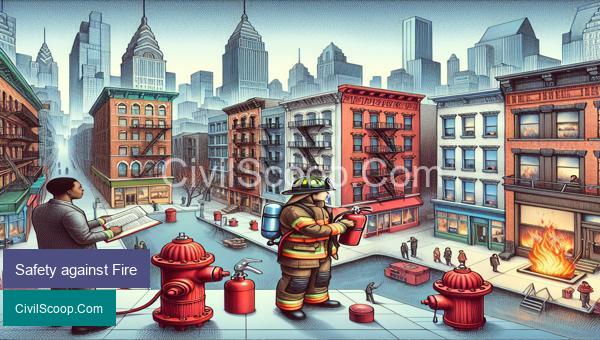
Safety against fire is crucial in any building or structure, especially in the case of civil engineering. Fire is a devastating and potentially life-threatening event that can occur at any time, making it imperative to have proper safety measures in place.
Here are some important safety measures that civil engineers should consider when designing and constructing a building to prevent and mitigate the damage caused by fires.
1. Fire-Resistant Materials: The first line of defense against fire is the use of fire-resistant materials in construction. These materials include concrete, brick, and steel, which have a high resistance to fire and can prevent it from spreading. Additionally, the use of materials that are non-combustible can also significantly reduce the risk of fire.
2. Proper Ventilation: Proper ventilation is essential in maintaining the air quality in a building. In the case of a fire, it allows for the smoke and heat to escape, preventing the build-up of toxic gases and reducing the risk of a flashover (a phenomenon where the entire room or space bursts into flames at once) occurring.
3. Fire Safety Plan: It is essential to have a well-defined fire safety plan in place for any building. This includes an emergency evacuation plan, designated fire exit routes, and clear signages indicating the locations of fire extinguishers, fire alarms, and emergency contacts. It is the responsibility of civil engineers to ensure that these measures are incorporated into the design and construction of a building.
4. Fire-Resistant Doors and Partitions: Fire-resistant doors and partitions are essential in containing the fire and preventing it from spreading to other areas of the building. These doors and partitions are made of materials that can withstand high temperatures and maintain their structural stability, giving people enough time to evacuate safely.
5. Installation of Fire Protection Systems: Fire protection systems, such as fire sprinklers and smoke detectors, can significantly reduce the risk of fire. Civil engineers should ensure that these systems are installed in the building and are in compliance with the relevant safety codes and standards.
6. Clearance Space: Maintaining adequate clearance space between buildings is essential in preventing fires from spreading. It allows for fire departments to access the building and provides enough space for the fire to dissipate effectively.
7. Conduct Regular Inspections: It is crucial to conduct regular inspections of the building’s fire safety systems and equipment to ensure they are functioning correctly. Any damages or malfunctions should be addressed immediately to prevent any potential danger.
In conclusion, civil engineers play a significant role in ensuring the safety against fire in buildings. By incorporating fire-resistant materials, proper ventilation, and fire safety plans, and installing fire protection systems, they can significantly reduce the risk of fire and protect the lives and properties within a building. Regular inspections and maintenance of these safety measures are also vital in ensuring their effectiveness.
Conclusion
In conclusion, safe and proper erection of structural steelwork is crucial for the safety and success of any construction project. It requires thorough planning, competent workers, and adherence to industry standards and regulations. With the use of modern technology and proper training, the risks associated with steel erection can be minimized. Regular inspections and maintenance also play a crucial role in ensuring the ongoing safety of the structure. By following all necessary precautions and procedures, we can ensure the successful and safe completion of projects involving structural steelwork. Let us prioritize safety in every step of the process to create sturdy and secure structures that stand the test of time.